What’s The Difference Between A Parotidectomy And A Facelift Procedure?

The Parotidectomy and facelift are two different surgical procedures that focus on different concerns in the neck and face area. It has been identified that both of these procedures have some similarities as it involves facial area surgery, but they differ based on different purposes.

Understand the differences between Parotidectomy and facelift

A doctor recommends the Parotidectomy surgical procedure to remove the parotid gland. A facelift is a cosmetic surgery recommended to improve the appearance of the neck and face by tightening the tissues, muscles, and skin.

The Parotidectomy surgical procedure alleviates symptoms linked with a diseased gland or removes a tumor. This procedure is involved for medical reasons. The facelift procedure addresses deep creases, sagging skin, and wrinkles in the neck and lower face, which is done through a cosmetic procedure.

Parotidectomy is performed through different techniques, including endoscopic surgery, traditional open surgery, or a combination. On the other hand, facelifts are combined with other cosmetic procedures like eyelid surgery or brow lifts.

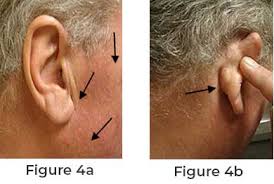
During the Parotidectomy, the incision is hidden behind the natural creases of the face or the ear. On the contrary, facelift incisions are made behind and in front of the ear, as well as along the hairline. Thus, you must contact your doctor to determine whether Parotidectomy and facelift suit you.

Both parotidectomy and facelift procedures are associated with potential complications and certain risks. A qualified surgeon can help you determine the right course of action for your goals and needs.

Parotidectomy Treatment: What Is It, And What Are Its Side Effects?

The Parotidectomy surgical procedure helps remove the parotid gland. The parotid gland is located in front of the ear and is the largest salivary gland. This surgical procedure treats tumors that affect the parotid gland, like inflammation or infection. This post will teach you about the treatment and its potential side effects.

What is the treatment procedure for Parotidectomy?

The Parotidectomy surgical procedure is conducted under general anesthesia, where a surgeon accesses the gland by an incision in front of the ear. The surgeon carefully identifies and preserves the facial nerve that runs through the gland during the procedure. After that, the removal of the gland is conducted, and closes the incision with sutures.

What are the side effects of Parotidectomy?

• Facial nerve damage

During the surgical procedure, any damage to the facial nerve can result in permanent or temporary facial paralysis, weakness, or drooping. It can affect the ability to eat, speak, or smile.

• Infection

This surgical procedure has the potential risk of infection. The symptoms like fever, swelling, redness, and pain can be observed.

• Dry mouth

A patient may face a decrease in saliva procedure, which results in a dry mouth.

• Bleeding

During or after the surgical procedure, bleeding can occur, resulting in bruising, swelling, and a hematoma.

• Numbness

After the surgery, tingling or numbness in the face or around the incision site can be observed because of the damage to facial nerves.

Apart from this, there are other side effects like scar formation, salivary fistula, and changes in the taste of this surgical procedure. Thus, before going for a Parotidectomy surgical procedure, you must determine if the procedure is right for you by consulting your doctor.

Pleomorphic Adenoma – The Benign Salivary Gland Tumor

Parotid is one of the largest salivary glands and an unexceptional growth in cells of this gland may cause tumor – that can be benign or cancerous. Plemorphic Adenoma is called as benign salivary gland tumor that predominantly affects the superficial lobe of the parotid gland. The nature of the tumor can be explained on the basis of the epithelial and connective tissue origin.

• According to doctors, etiology of pleomorphic adenoma is unknown.

• Incidence of the tumor has been found to increase approx 20 years after exposure to radiation. 

• Doctors also remark that simian virus or SV40 may play a contributory role in the development of Pleomorphic adenoma.

• There are different types of benign salivary gland tumors like Adenomas, Oncocytomas and Warthin Tumors.

• Not to mention the benign mixed tumors known as Pleomorphic adenomas.

• Benign tumors are almost cured by surgery and in successful way.

It is crucial to consult with experienced surgeons and get the right treatment options. It depends on the severity of the tumor or symptoms that are visible, you need to consult with experience physicians or surgeons, who are experienced enough and have skills to provide you with the right treatment.

If you are suffering from Plemorphic Adenoma, it will be better to consult with surgeons or doctors and get the right treatment or surgery. Consult with experts at Alpha Surgical Group and you will surely get the right treatment options.

Parotidectomy and Facelift at Alpha Surgical Group

Before you consult with doctors for diagnosis, you need to know about Parotidectomy and Facelift. According to doctors, Parotid tumors are neoplasm or abnormal growths of the parotid gland – one of the several salivary glands. It is the largest one located in front of the ear and goes to angle of the jaw. The parotid gland is formed a little too early for the duration of development of the embryo – occurring at the same time as lymph nodes and nerves.

The gland in a developed individual is mixed with the facial nerve that is the main nerve moving the face and lymph nodes – the gland that clean away infection and some other problems. Surgery is done to remove this gland before it becomes problematic.

Parotidectomy and facelift is the crucial procedure that is done successfully by professional surgeons. You have to consult the right one according to your requirement and type of problem and get the right solutions.

If you don’t have any idea about the surgeons, you can visit your family doctor who can recommend the best treatment or hospital for the surgical procedure.

Alpha Surgical Group is a one stop trusted name in this domain providing you with the best treatment options. You have to make a contact and the right treatment.

What Is Parotid Tumor and Symptoms – Essential to Know About

Parotid tumor starts in the parotid gland with the growth of cells. Parotid glands are two salivary glands – sit just in front of the ears. It is one on each side of the face and salivary glands make saliva to help with chewing and digesting food. The main cause is unknown. However, genetic research is being conducted to uncover it. According to doctors, skin cancer can spread to the parotid gland in some cases. Not to mention smoking that is also known to cause one type of benign tumor. 

Most parotid tumors are benign or non-cancerous; while the most common type includes Pleomorphic adenoma that is a slow-growing and has a low chance of becoming malignant. There are different symptoms that are the clear indication of parotid tumors. Some of the common symptoms are the following:

• A lump or swelling on or near the jaw 

• A lump or swelling in your neck or mouth

• Numbness in part of your face 

• Muscle weakness on one side of your face 

• Persistent pain in the salivary gland area 

• Facing difficulties in swallowing 

• Trouble opening your mouth widely

There are different other issues that may occur. The most crucial thing is to consult with doctors and get the right treatment option. You have to consult with them and get the treatment. In some cases, doctor may recommend surgery. Proper tests and diagnosis procedure is important to get done.

What Is Parotidectomy?

Parotidectomy is a surgical procedure that involves the removal of the parotid gland, which is one of the largest salivary glands located in the face. The procedure is performed to treat various conditions that affect the parotid gland, such as tumors, cysts, infections, and obstructions.

1. Indications for Parotidectomy: The most common indications for parotidectomy are the presence of a benign or malignant tumor in the parotid gland, including pleomorphic adenoma, Warthin’s tumor, and mucoepidermoid carcinoma. The procedure may also be necessary for the treatment of chronic infections, cysts, and stones in the salivary ducts that can lead to inflammation and swelling of the gland.

2. Types of Parotidectomy: There are two main types of parotidectomy, including superficial parotidectomy and total parotidectomy. Superficial parotidectomy is the removal of the portion of the gland closest to the skin, while total parotidectomy involves the removal of the entire gland, including the underlying fascia. The type of procedure performed depends on the size and location of the lesion and the patient’s individual needs.

3. Preoperative Preparation: Prior to the procedure, the patient will undergo a thorough evaluation by the surgical team to determine their medical history, medications, and any allergies. The patient may also need to undergo imaging studies, such as a CT scan or MRI, to assess the size and location of the lesion.

4. Surgical Procedure: Parotidectomy is typically performed under general anesthesia and can take several hours. During the procedure, the surgeon makes an incision in the face, removes the affected portion of the gland, and reconstructs the area to minimize scarring. In some cases, a drainage tube may be inserted to prevent fluid buildup in the area.

5. Recovery and Complications: After the procedure, the patient will typically spend a few days in the hospital for observation and monitoring. The patient may experience swelling, bruising, and some discomfort in the area, which can be managed with pain medication. Other potential complications include nerve damage, infection, and bleeding, but these are rare.

In conclusion, parotidectomy is a commonly performed surgical procedure that is used to treat various conditions affecting the parotid gland. The procedure is typically performed under general anesthesia and involves the removal of the affected portion of the gland. The patient can expect a recovery period of several days, during which they may experience swelling and discomfort, but these symptoms should improve over time.

What Is Parotid Surgery?

Parotid surgery, also known as parotidectomy, is a surgical procedure that involves the removal of the parotid gland, which is one of the largest of the three pairs of salivary glands located in the face. This procedure is performed to treat various conditions affecting the parotid gland, including tumors, cysts, stones, and infections. In this article, we will discuss the indications, preparation, and recovery process for parotid surgery.

Indications for Parotid Surgery:

1. Tumors: The most common indication for parotid surgery is the presence of a tumor in the parotid gland. This can include benign tumors such as pleomorphic adenoma and Warthin’s tumor, as well as malignant tumors such as squamous cell carcinoma and adenoid cystic carcinoma.

2. Cysts: Cysts in the parotid gland can also be removed through parotidectomy. These cysts can cause swelling and discomfort, and may need to be removed for both cosmetic and medical reasons.

3. Stones: Salivary stones can form in the parotid gland and cause blockages, leading to pain, swelling, and infection. Parotidectomy may be necessary to remove these stones and prevent recurrent infections.

4. Infections: Chronic infections in the parotid gland can also be treated through parotidectomy. The procedure involves removing the infected tissue and draining any abscesses, which can help prevent recurrent infections.

Preparation for Parotid Surgery:

Before undergoing parotid surgery, patients should have a thorough evaluation by their plastic surgeon, including a physical examination and medical history review. Patients may also need to undergo imaging studies, such as CT scans or MRI, to determine the extent of the condition affecting the parotid gland.

Patients should also inform their plastic surgeon of any medications they are taking, including herbal supplements and over-the-counter drugs, as well as any allergies they may have. They should also stop taking any blood-thinning medications, such as aspirin or ibuprofen, for several days prior to the procedure.

Parotidectomy is typically performed under general anesthesia and may take several hours to complete. The procedure can be performed as either a superficial or a total parotidectomy, depending on the size and location of the lesion.

Recovery from Parotid Surgery:

After parotidectomy, patients will have a dressing or bandage placed over the incision site, which will need to be kept clean and dry. The plastic surgeon may also place a drain near the incision site to help remove any excess fluid.

Patients may experience swelling, discomfort, and bruising around the incision site, which can be managed with pain medication prescribed by the plastic surgeon. The dressing and bandage should be changed regularly, and the incision site should be kept clean and dry.

Most patients can return to their normal activities within 7 to 10 days after parotidectomy, although they should avoid heavy lifting, strenuous exercise, and exposure to direct sunlight for several weeks. They should also follow a soft diet and avoid any foods or liquids that are hot, spicy, or acidic for several days after the procedure.

In conclusion, parotidectomy is a surgical procedure that involves the removal of the parotid gland. This procedure is performed to treat various conditions affecting the parotid gland, including tumors, cysts, stones, and infections.

How Parotidectomy And Facelift Helps?

Parotidectomy and facelift are two separate surgical procedures that can be performed to improve the appearance of the face and neck. While parotidectomy is performed to remove the parotid gland and treat conditions affecting it, facelift is performed to tighten and lift the skin of the face and neck, reducing the appearance of wrinkles and sagging skin.

Parotidectomy: Parotidectomy is a procedure that involves the removal of the parotid gland, which is the largest of the three pairs of salivary glands located in the face. The procedure is performed to treat conditions affecting the parotid gland, including tumors, cysts, stones, and infections. The procedure can be performed using either a superficial or a total parotidectomy, depending on the size and location of the lesion.

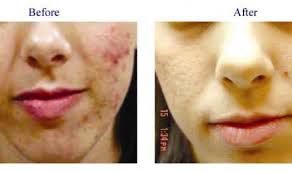
Facelift: Facelift, also known as rhytidectomy, is a cosmetic procedure that is performed to tighten and lift the skin of the face and neck. The procedure can improve the appearance of wrinkles, fine lines, and sagging skin, giving the face a more youthful and refreshed appearance. There are several different techniques used in facelift surgery, including mini facelift, mid-facelift, and full facelift, depending on the extent of skin tightening needed.

How Parotidectomy and Facelift Help: Parotidectomy and facelift are two separate procedures that can be performed to improve the appearance of the face and neck. Parotidectomy is performed to treat conditions affecting the parotid gland, while facelift is performed to tighten and lift the skin of the face and neck. By removing the parotid gland, the facial appearance can be improved, as it eliminates any visible swelling or deformity. Facelift, on the other hand, can help reduce the appearance of wrinkles and sagging skin, giving the face a more youthful and refreshed appearance.

Combined Procedure: In some cases, parotidectomy and facelift may be performed together, especially if the patient has both a condition affecting the parotid gland and signs of aging in the face and neck. The combination of these two procedures can provide a more comprehensive improvement in the appearance of the face and neck, and can result in a more harmonious and youthful appearance.

In conclusion, parotidectomy and facelift are two separate procedures that can be performed to improve the appearance of the face and neck. Parotidectomy is performed to treat conditions affecting the parotid gland, while facelift is performed to tighten and lift the skin of the face and neck. In some cases, these procedures may be performed together for a more comprehensive improvement in the appearance of the face and neck. It is important to discuss the potential benefits and risks of these procedures with a qualified plastic surgeon to determine the best course of action for your individual needs.

Parotidectomy and Facelift – The Crucial Surgical Procedure for Parotid Gland

Parotid Gland is one of the largest of the salivary glands that is helpful in varied body functions. However, with the ageing, possibility of parotid tumors cannot be denied that may occur with early signs of numbness and sensation on the face. Parotidecotmy and facelift are the crucial procedures – the surgical excision of the parotid gland. The procedure is most typically performed for the reason of neoplasms that are growths of rapidly and abnormally diving cells. Neoplasms can be benign or malignant.

If you are facing problems with the parotid glands, you need to consult with ENT specialists or surgeons who have expertise enough in solving such problems. They can recommend you parotidectomy and facelift – the crucial step to provide you with the right solutions. It will be better to consult with experts and they take the right step. Go online and it is counted as one of the convenient ways to enhance your experience. Go online and it is counted as one of the convenient ways to enhance your experience. There are a number of big names in this domain fulfilling your requirement. They have proven track record and years of experience in successfully completing parotidectomy and facelift.

Alpha Surgical Group – a One Stop Recognized Name for Parotidectomy and Facelift

Alpha Surgical Group is a recognized name for parotid tumor removal and similar other surgical procedures. You have to schedule an appointment according your requirement, go through the details and get the right solutions according to your requirement. Certain tests are required to get done to find out the issue and then provide the best surgical solutions.

Parotid Tumor and Early Signs – Essential to Know About By Consulting With ENT Specialist

It may cause swelling in the face or jaw that usually isn’t painful, Parotid tumor may result in varied symptoms like numbness, burning or prickling sensations in the face, or a loss of facial movement. If diagnosed, surgery is the only option to remove parotid tumor. Salivary gland tumors can develop at any age; while the parotid tumors develop in older adults. In addition, radiation that is used for treating neck and head cancers may increase your risk o parotid or salivary gland tumors.

Tumor Is Cancer Beginning in One of Your Salivary Glands

Salivary gland tumor or parotid tumor is cancer beginning in one of your salivary glands – not just a single disease. According to doctors, every man and woman has varied salivary glands near and inside the mouth. Many types of cancerous or benign tumors and cancer can develop in these salivary glands. These types of cancers aren’t common and make up less in comparison to one percent of cancer in the United States.

Parotid Tumor Can Occur in Individuals at Any Age

Parotid tumors occur in individuals of just about any age. They become more common as individuals become older. If you are facing some complications like numbness, burning or sensations in the face, you must consult with doctors or at least ENT specialists who will ask you to get some tests done and then recommend you the best treatment for parotid tumor.

Consulting with doctors is one of the crucial decisions to make. You will be able to take the right step and move on the right track of good health. They recommend you the treatment that will be effective and provide you with the best results.

Design a site like this with WordPress.com
Get started