Unraveling the Mysteries of Pleomorphic Adenoma

Pleomorphic adenoma is the most common type of benign salivary gland tumor, yet its intricacies and impact on individuals can be significant. In this blog post, we will delve into the world of pleomorphic adenoma, exploring its characteristics, symptoms, diagnostic methods, and treatment options. By gaining a comprehensive understanding of this condition, we can empower individuals affected by pleomorphic adenoma to make informed decisions about their health.

What is Pleomorphic Adenoma?

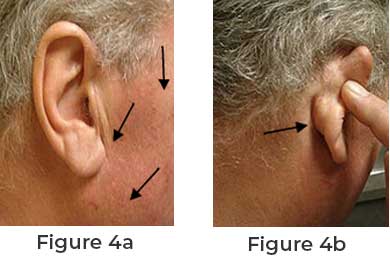
Pleomorphic adenoma is a non-cancerous tumor that commonly develops in the salivary glands, particularly the parotid gland. It is characterized by a mixed cell composition, consisting of both epithelial and mesenchymal cells. While generally benign, pleomorphic adenoma can grow and cause discomfort, impacting the affected individual’s quality of life.

Symptoms and Presentation:

The signs and symptoms of pleomorphic adenoma can vary depending on the location and size of the tumor. Common indications include the presence of a painless, slowly growing lump or swelling near the affected salivary gland. In some cases, the tumor may cause facial asymmetry, difficulty in swallowing or talking, and discomfort or pain. Prompt medical attention is essential to assess and address these symptoms effectively.

Diagnostic Procedures:

To diagnose pleomorphic adenoma, healthcare professionals may utilize various diagnostic procedures. These can include a physical examination, imaging tests such as ultrasound or MRI, and a biopsy to examine the tissue composition of the tumor. These tests aid in determining the nature, size, and location of the tumor, enabling appropriate treatment planning.

Treatment Options:

The primary treatment for pleomorphic adenoma is surgical removal of the tumor. The extent of surgery depends on factors such as the size, location, and involvement of adjacent structures. In cases where the tumor is large or has a higher risk of recurrence, partial or complete removal of the affected salivary gland may be necessary. After surgery, regular follow-up appointments are crucial to monitor any potential recurrence.

Outlook and Prognosis:

The prognosis for pleomorphic adenoma is generally favorable, as it is a benign tumor. However, the risk of recurrence remains, particularly if the tumor is not completely removed during surgery. Regular monitoring and early detection of any recurrent or new tumors are essential for timely intervention. Healthcare professionals work closely with patients to develop personalized care plans, ensuring the best possible outcome and long-term health.

Pleomorphic adenoma is a complex yet treatable condition that affects the salivary glands. By familiarizing ourselves with its characteristics, symptoms, diagnostic methods, and treatment options, we can empower individuals affected by pleomorphic adenoma to make informed decisions about their healthcare journey. With prompt medical attention, appropriate treatment, and regular follow-up, individuals can effectively manage pleomorphic adenoma and strive for a healthy and fulfilling life.

Navigating the Challenges of a Cut Facial Nerve

The facial nerve plays a crucial role in our ability to express emotions, speak, and carry out daily activities. However, a cut facial nerve can have a profound impact, leading to facial paralysis and a range of physical and emotional challenges. In this blog post, we will explore the causes, symptoms, and treatment options for a cut facial nerve, as well as provide insights on how to cope with facial paralysis and regain quality of life.

1. Understanding the Facial Nerve: The facial nerve, also known as cranial nerve VII, controls the muscles of facial expression. It transmits signals from the brain to the muscles, enabling various facial movements and expressions. A cut facial nerve can occur due to trauma, surgery, or other medical conditions, disrupting this essential communication pathway and resulting in facial paralysis.

2. Symptoms of Facial Paralysis: Facial paralysis caused by a cut facial nerve can manifest in various ways. Common symptoms include the inability to move the affected side of the face, drooping of the mouth or eyelid, difficulty closing the eye, loss of taste sensation, and dryness or excessive tearing in the eye. These symptoms can significantly impact one’s physical appearance, self-esteem, and overall quality of life.

3. Treatment Options: The treatment for a cut facial nerve depends on the severity and cause of the injury. In some cases, surgical repair may be necessary to reconnect the nerve ends and restore facial function. Physical therapy, including exercises and massage techniques, can also aid in improving muscle strength and mobility. Additionally, certain medications, such as steroids, may be prescribed to reduce inflammation and promote nerve healing.

4. Coping with Facial Paralysis: Coping with facial paralysis can be challenging both physically and emotionally. It is important to seek support from healthcare professionals, such as facial rehabilitation specialists, who can provide guidance on managing symptoms and improving facial function. Additionally, joining support groups or seeking therapy can help individuals cope with the psychological impact of facial paralysis and maintain a positive mindset throughout the recovery process.

5. Rehabilitation and Facial Exercises: Facial exercises and rehabilitation techniques can play a crucial role in regaining muscle strength and control. These exercises are designed to stimulate the facial muscles, improve blood circulation, and encourage nerve regeneration. Working closely with a facial rehabilitation specialist can ensure a personalized approach to rehabilitation, maximizing the potential for recovery.

Conclusion: A cut facial nerve and subsequent facial paralysis present unique challenges that can significantly impact one’s life. Understanding the causes, symptoms, and treatment options for facial paralysis is crucial in navigating this journey. By seeking appropriate medical care, adopting rehabilitation techniques, and embracing a support system, individuals can cope with facial paralysis and work towards regaining their physical and emotional well-being. Remember, with time, patience, and professional guidance, it is possible to regain control and lead a fulfilling life despite the challenges posed by a cut facial nerve.

Why Parotid Tumor Surgery Is Crucial To Get Done

After knowing about the early signs and symptoms and making final decision for parotid tumor surgery, the most crucial thing is to know about the type of parotid tumors – divided into two types – the benign or non-cancerous and another one is malignant.

The benign and malignant tumors occur in different types. The most common tumor is the benign mixed tumor or pleomorphic adenoma.

Mixed tumors have well-defined edges and don’t have significant portions invading normal tissues like cancers.

The main issue with the tumors that you need to know about before parotid tumor surgery, is that they will continue to grow making it more and more difficult like cancers.

Another issue with the tumors is that they will continue to grow making it more and more difficult to remove through parotid tumor surgery or through other methods. They can turn into a malignant tumor. The next most common benign tumor is the Warthin’s tumor or Papillary Cystadenoma Lumphomatosum.

Parotid tumor surgery or surgical excision is likely curative with a small incidence of recurrence. They are not known to degenerate into carcinoma, but occasionally occur on both sides.

Other benign tumors include Oncocytomas, Monomorphic tumor and others that are well-treated with excision.

Alpha Surgical Group is the right platform providing you with details information about the parotid tumor and suggesting the best treatment options. Consult with experts and get the right treatment options.

Parotidectomy and Facelift – Get the Right Treatment Options from Top Surgeons

Before you consult with an experienced doctor or surgeon or parotidectomy and facelift, you should know about the parotid tumors that are benign or non-cancerous (85% of the time) and in some cases malignant. The benign and malignant tumors occur in different types and the most common is the benign mixed tumor or pleomorphic adenoma.

Mixed tumors have well-defined edges and don’t have significant portions invading normal tissue like cancers.

The main problem is continuing growth – making it difficult to remove. They can also turn into malignant tumors, if not diagnosed in early stage and left without any treatment. Malignant parotid tumors can be low grade or weaker type of cancer with higher cure rates. Mucoepidermoid tumor is the most common type of malignant tumor that is much more dangerous and like most aggressive parotid malignancies – treated with aggressive surgical excision. Neck dissection and post-operative radiation therapy are done – mainly for parotidectomy and facelift.

There are some of the common types of symptoms of Parotidectomy and facelift that are the clear indication to alert you for proper diagnosis and treatment. You are advised to consult with experts and get the right treatment. If you don’t have any idea, you should do search online and know about the symptom. By doing so, you can seek the right professionals and then get the right treatment. Go online and it is counted as one of the convenient ways to enhance your experience. Check all details and get the right treatment options for parotidectomy and facelift.

Parotidectomy and Its Symptoms – Essential to Know About Before Treatment

Being neoplasm or abnormal growths of the parotid gland, parotid tumors occur in the parotid gland that is one of several salivary glands and is the largest – located in front of the ear and goes to approximately the angle of the law.

Not to mention the parotid gland – formed a little too early during the development of the embryo and occurring at the same time as lymph nodes and nerves. The gland in a developed man or woman is mixed with facial nerve – the main nerve that moves the face and lymph nodes that are the gland – clean away infection and some tumors that are found throughout the body. 

It is the part of parotidectomy and the most common symptoms of both malignant and benign parotid tumors are a mass in the back part of the cheek in front of the ear. These are discovered by the patient or by doctor.

Patients also get other symptoms in Parotidectomy that are most common in malignant tumors and seldom occur in benign tumors. Some other common symptoms include pain, facial paralysis, ear pain, cheek numbness and difficulty opening the jaw. Swelling in another part of the neck is also the symptom. It will be better to consult with experts and get the right treatment.

Doctors can recommend surgery or treatment to get rid of this. Alpha Surgical Group suggests you the best treatment options.

Parotid Tumor Surgery to Remove Tumor

Parotid gland tumors occur in parotid glands – consisting of two lobes – the superficial lobe and the deep lobe. Parotid tumor surgery is required to get done – mainly to remove the tumor in the superficial lobe that is called as superficial parotidectomy – a surgery that is done to remove a tumor in the deep lobe or sometimes in both a deep and superficial lobes. It is called a total paritodectomy and the two lobes are separated by the facial nerve.

For many people who need parotid tumor surgery, it is performed by a head and neck surgeon. Treatment for parotid gland tumors needs great precision on the part of your surgical team because of facial nerve is nearby – that controls your ability to close your eyes, raise your eyebrows and smile.

According to surgeons, preserving the facial nerve is important, when it comes to remove a parotid gland tumor through a well-planned parotid tumor surgery. There is a chance that the nerve may be adversely affected by the tumor itself or by the surgical procedure that is required to remove the tumor.

You need to consult with experienced doctors who have proven track record and expertise enough in solving your queries. Go online and it is counted as one of the convenient ways to enhance your experience. There are a number of recognized names in this domain recommending the best treatment and surgical procedure. You have to make a contact as per your requirement and get the right solutions. Stay in touch with the experts and get the right treatment.

Parotid and Facelift – The Most Crucial Procedure to Removal Parotid Tumor

Parotid gland is one of the salivary glands with facial nerves that may cause tumor due to varied issues. Parotid and facelift are two crucial points to consider during parotidectomy – a surgery done for the removal of parotid gland tumor in non-cancerous stage or cancerous too. The parotidectomy surgery is done by using a facelift incision that is one treatment option – offered to appropriate patients with benign parotid tumors.

Parotid and facelift are associated as the facial nerves pass through the parotid gland – one of the important nerves. Not to mention the alternative approach that effectively removes the tumor and preserves the facial nerve along with presenting optimal cosmetic results without additional risk of complications.

It is the crucial surgical procedure for Parotid gland that consists of two lobes – the superficial lobe and the deep lobe. Surgery is done to remove a tumor in the superficial lobe is called a superficial parotidectomy.

Surgery is done to remove a tumor in the deep lobe or sometimes in both the deep and superficial lobes – called a total parotidectomy that is separated by the facial nerve. For Parotid and facelift, you need to consult with experienced doctors and get the right solution. There are a number of recognized hospitals and independent practitioners and surgeons recommending the best treatment. Stay in touch with the professionals and get the right treatment.

Alpha Surgical is a one stop trusted name in this domain recommending the best treatment. You have to make a contact as per your requirement, go through the details and get the right solutions.

Parotidectomy and Facelift – Crucial Surgical Procedure for the Removal of Parotid Gland

Parotidectomy is required, when tumor has formed in the parotid gland. These types of tumors are noncancerous and may turn into cancerous tumor too. Both types typically need removed. Benign tumors may need to be removed because they can grow bigger and damage surrounding tissues. You should also know that certain types of benign tumors can transform into salivary gland cancer. Malignant tumors are dangerous as may damage surrounding tissues and can potentially metastasize.

When cancer metastasizes, cells break off from the original tumor and spread to other parts of your body through the bloodstream or lymphatic system. Cancer in your parotid gland may spread to nearby lymph nodes in your neck. As soon as cancer reaches the lymph nodes, it may travel to other body parts too. Parotidectomy and facelift may also required to get done in case patient has infection in the parotid glands or if they have salivary gland stones – the calcium deposit that can build up in your parotid glands – blocking the flow of saliva or spit in your mouth.

Parotidectomy and Facelift – a Major Surgery

This can cause recurrent gland swelling and infection too. Parotidectomy and facelift is a major surgery – lasts from three to four hours on average. You will likely need to stay in the hospital overnight. This type of surgery is done by skilled surgeon who can identify and spare the facial nerve – that runs through your parotid gland. Your facial nerve controls the muscles that control the movement of your face and allowing you to smile, frown, and wrinkle your forehead. It may also depend on the tumor location, it can be challenging to work around this nerve.

How to Decide Between Parotid and Facelift Procedures?

The decision to undergo two surgeon procedures, parotid and facelift, can be daunting. But when you know the information about these procedures, you may easily decide. It has been identified that these procedures are depending on different factors like an individual’s current health status, medical history, and cosmetic goals.

Thus, you must consult with an experienced and qualified surgeon to discuss both parotid and facelift procedures’ benefits, risks, and expected results before deciding.

The parotid tumor surgery procedure

Your surgeon may suggest parotid tumor surgery when the parotid gland is affected. This surgical procedure removes the affected gland and prevents further complications. Your doctor will evaluate your medical history and do a physical examination to identify whether you need parotid tumor surgery. Moreover, extra testing is also conducted, like a biopsy or imaging studies, to confirm the diagnosis.

The facelift procedure

A facelift procedure is conducted for cosmetic reasons and is suggested by your doctor for issues like deep creases, wrinkles, or sagging skin in the lower neck and face area. This procedure helps to get a more refreshed and youthful appearance. The surgeon will determine the bone structure, skin elasticity, and overall health to determine whether a facelift is a right option. An additional procedure like eyelid or brow lift surgery is also suggested to get the best outcome.

The ultimate decision is always based on your cosmetics goals and medical needs. Suppose you want to know whether the parotid and facelift surgical procedure suits you. In that case, you must contact a qualified surgeon to provide the right guidance and information to make an informed decision.

What’s The Difference Between A Parotidectomy And A Facelift Procedure?

The Parotidectomy and facelift are two different surgical procedures that focus on different concerns in the neck and face area. It has been identified that both of these procedures have some similarities as it involves facial area surgery, but they differ based on different purposes.

Understand the differences between Parotidectomy and facelift

A doctor recommends the Parotidectomy surgical procedure to remove the parotid gland. A facelift is a cosmetic surgery recommended to improve the appearance of the neck and face by tightening the tissues, muscles, and skin.

The Parotidectomy surgical procedure alleviates symptoms linked with a diseased gland or removes a tumor. This procedure is involved for medical reasons. The facelift procedure addresses deep creases, sagging skin, and wrinkles in the neck and lower face, which is done through a cosmetic procedure.

Parotidectomy is performed through different techniques, including endoscopic surgery, traditional open surgery, or a combination. On the other hand, facelifts are combined with other cosmetic procedures like eyelid surgery or brow lifts.

During the Parotidectomy, the incision is hidden behind the natural creases of the face or the ear. On the contrary, facelift incisions are made behind and in front of the ear, as well as along the hairline. Thus, you must contact your doctor to determine whether Parotidectomy and facelift suit you.

Both parotidectomy and facelift procedures are associated with potential complications and certain risks. A qualified surgeon can help you determine the right course of action for your goals and needs.

Design a site like this with WordPress.com
Get started