Adenoid Cystic Carcinoma – A Rare but Tenacious Cancer

Adenoid cystic carcinoma, also known as ACC is a rare and often misunderstood form of cancer that predominantly affects the salivary glands, but can also occur in other areas such as the breast, trachea, and lungs. This uncommon malignancy derives its name from its microscopic appearance, featuring cystic spaces filled with mucus-like material. This type of cancer is slow-growing and tenacious. It is characterized by its tendency to invade nerves and blood vessels, making complete surgical removal challenging. This, in turn, contributes to its high recurrence rate and the need for long-term follow-up.

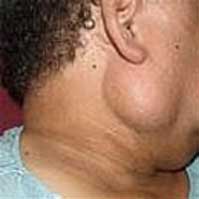
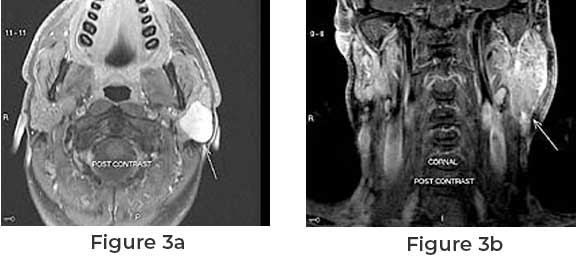
Although Adenoid cystic carcinoma typically strikes individuals in their 40s and 50s, it can affect people of all ages. Common symptoms include painless lumps or swelling in the affected area, as well as potential nerve-related symptoms if it invades nearby structures. Early diagnosis is crucial for managing Adenoid cystic carcinoma effectively. A combination of imaging studies, biopsies, and molecular testing is often employed to confirm its presence and determine its specific genetic characteristics.

Treatment options for Adenoid cystic carcinoma usually involve surgery to remove as much of the tumor as possible, followed by radiation therapy. Chemotherapy is generally less effective against Adenoid cystic carcinoma than other cancers, but ongoing research aims to identify more targeted therapies.

Adenoid cystic carcinoma is a challenging disease to tackle, primarily due to its slow growth and high potential for recurrence. However, advancements in genetic research and personalized medicine offer hope for more effective treatments in the future. As with any cancer, early detection remains a critical factor in improving outcomes for those affected by adenoid cystic carcinoma.

Parotid Tumor Surgery by Experienced Surgeons at Alpha Surgical

The need for parotid tumor surgery is determined by various factors, including tumor type, size, symptoms, and cosmetic concerns. Timely diagnosis and consultation with a medical professional are crucial for deciding the most appropriate treatment plan, which may or may not involve surgery. Early intervention often leads to better outcomes and improved quality of life for those affected by parotid tumors.

Parotid tumor surgery aims to remove the tumor while preserving facial nerve function and maintaining optimal cosmetic outcomes. Depending on the tumor’s size, location, and type, surgeons may employ various techniques, including minimally invasive procedures.There are different types of tumors and surgeries done by professional surgeons.Malignant TumorsIndividuals diagnosed with malignant parotid tumors, such as mucoepidermoid carcinoma or adenoid cystic carcinoma, often require surgery. These tumors can spread to nearby tissues, making prompt surgical intervention vital to prevent the cancer’s progression.Large Benign TumorsBenign tumors can also necessitate surgery, particularly if they grow large enough to cause discomfort, facial distortion, or difficulty in eating, speaking, or swallowing.Pain and DiscomfortParotid tumors, whether benign or malignant, can be painful. Persistent pain and discomfort, especially in the presence of a tumor, may be an indication for surgical removal. Tumors that grow quickly raise concerns about their potential malignancy. Surgical removal allows for a precise diagnosis and management.Cosmetic considerations can also drive the need for surgery. Tumors that cause noticeable facial changes can impact an individual’s self-esteem and overall quality of life.

Alpha Surgical is a one stop name in this domain recommending the best Parotid tumor surgery.

Know About the Parotid and Facelift

The parotid glands are integral to the success of facelift surgery. Surgeons are increasingly recognizing their importance in achieving aesthetically pleasing and long-lasting results. When considering a facelift, it’s essential to choose a qualified surgeon who understands the delicate balance between facial rejuvenation and preserving the functionality of these vital glands. This symbiotic relationship between parotid glands and facelift surgery underscores the importance of both artistry and medical expertise in the world of cosmetic enhancements.

The close relationship between parotid glands and facelifts goes beyond surgical technique. Parotid glands play a pivotal role in maintaining facial volume and preventing a sunken appearance with aging. They produce saliva, which contains essential proteins and enzymes that nourish the skin and underlying tissues.

Aging and sagging skin can compromise the parotid glands’ functionality, resulting in volume loss and hollowing of the cheeks. During facelift surgery, excess skin is removed and underlying tissues are repositioned to create a more youthful contour. The parotid glands, nestled beneath this skin, are sensitive to manipulation. Surgeons must exercise extreme care to avoid damaging these glands, as damage can lead to complications such as temporary or even permanent facial weakness.

If you are looking for Parotid and facelift solutions, you will have some better options to fulfill your requirement by going online. Alpha Surgical is a one stop trusted name in this domain providing you with the right solutions. Check all details and get the right solutions. The leading name in surgical domain has become a one stop trusted name. You have to make a contact and leave rest of the work on experts there.

Mucoepidermoid Tumor: Understanding A Rare Salivary Gland Neoplasm

When it comes to tumors of the salivary glands, the mucoepidermoid tumor stands as one of the most common types. Although it is relatively rare, it can occur in both adults and children. Understanding this unique neoplasm is essential for early detection, proper diagnosis, and prompt treatment. In this blog, we will explore the world of mucoepidermoid tumors, examining their characteristics, diagnostic methods, treatment options, and prognosis.

1. What is a Mucoepidermoid Tumor?

A mucoepidermoid tumor is a type of salivary gland tumor that originates from the mucus-secreting and epidermoid cells. These tumors can develop in various salivary glands, including the parotid, submandibular, and minor salivary glands. While most mucoepidermoid tumors are benign, some may exhibit malignant behavior.

2. Signs and Symptoms

The symptoms of a mucoepidermoid tumor may vary depending on its size and location. Common signs include a painless lump or swelling in the affected gland, difficulty swallowing, facial weakness, and in rare cases, pain.

3. Diagnostic Approaches

Diagnosing a mucoepidermoid tumor involves a series of steps. It often starts with a thorough physical examination and medical history assessment. Imaging tests, such as ultrasound, MRI, and CT scans, help visualize the tumor’s size and location. A biopsy is then performed to determine whether the tumor is benign or malignant.

4. Types of Mucoepidermoid Tumors

Mucoepidermoid tumors are classified into three grades based on their cellular characteristics: low-grade, intermediate-grade, and high-grade. Each grade signifies a different level of malignancy, with low-grade tumors being less aggressive and high-grade tumors showing a more aggressive behavior.

5. Treatment Options

The treatment approach for mucoepidermoid tumors depends on factors such as the tumor’s grade, size, location, and the patient’s overall health. The primary treatment is surgical removal, which aims to excise the tumor with clear margins. In some cases, radiation therapy may be recommended, especially for high-grade or recurrent tumors.

6. Prognosis and Recurrence

The prognosis for mucoepidermoid tumors is generally favorable, particularly for low-grade tumors that are typically benign and have a low recurrence rate after complete surgical removal. However, high-grade tumors have a higher likelihood of recurrence and may require additional treatment modalities.

7. Coping with Diagnosis

Being diagnosed with a mucoepidermoid tumor can be overwhelming for patients and their families. Seeking support from healthcare professionals, support groups, and loved ones can aid in coping with the emotional and psychological aspects of the journey.

8. Research and Advancements

As with many medical conditions, ongoing research and advancements in the field of oncology contribute to improved diagnosis and treatment options for mucoepidermoid tumors. Staying informed about the latest developments can empower patients and healthcare providers alike.

9. Follow-Up and Surveillance

After treatment, regular follow-up appointments with the medical team are essential to monitor for any signs of recurrence and assess the patient’s overall health. These appointments provide an opportunity to address any concerns and ensure continued well-being.

10. Living Beyond Mucoepidermoid Tumors

While a mucoepidermoid tumor diagnosis may be life-altering, many individuals go on to lead fulfilling lives post-treatment. Adopting a healthy lifestyle, maintaining regular check-ups, and staying proactive about one’s health are integral to living beyond the tumor.

Parotid Tumor Surgery: Understanding The Procedure and Road to Recovery

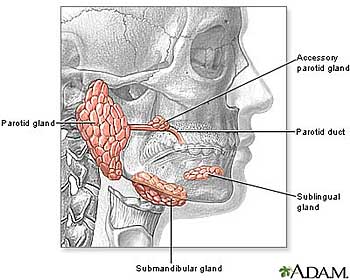
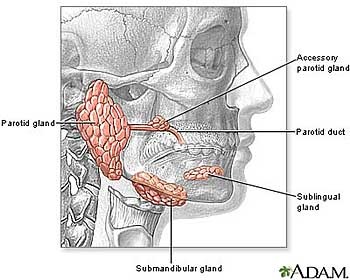
Discovering a tumor in the parotid gland can be a concerning and daunting experience. The parotid gland, located near the ear, plays a vital role in producing saliva and maintaining oral health. When a tumor is detected in this gland, medical intervention becomes necessary. In this blog, we will explore the world of parotid tumor surgery, understanding the procedure, potential risks, and the journey to recovery.

1. What is a Parotid Tumor?

A parotid tumor is an abnormal growth that develops in the parotid gland. While most parotid tumors are non-cancerous (benign), there is a possibility of some being cancerous (malignant). Early detection and appropriate treatment are crucial to ensure the best possible outcome.

2. Indications for Parotid Tumor Surgery

Parotid tumor surgery is recommended when the tumor is causing symptoms such as pain, facial weakness, difficulty swallowing, or when it affects the appearance of the face. Additionally, surgery may be required to determine whether the tumor is benign or malignant.

3. Preparing for Parotid Tumor Surgery

Before the surgery, the surgeon will conduct a thorough evaluation, which may include imaging tests and a biopsy to determine the nature of the tumor. Patients will receive instructions on how to prepare for the procedure, including fasting guidelines and medication management.

4. The Parotid Tumor Surgery Procedure

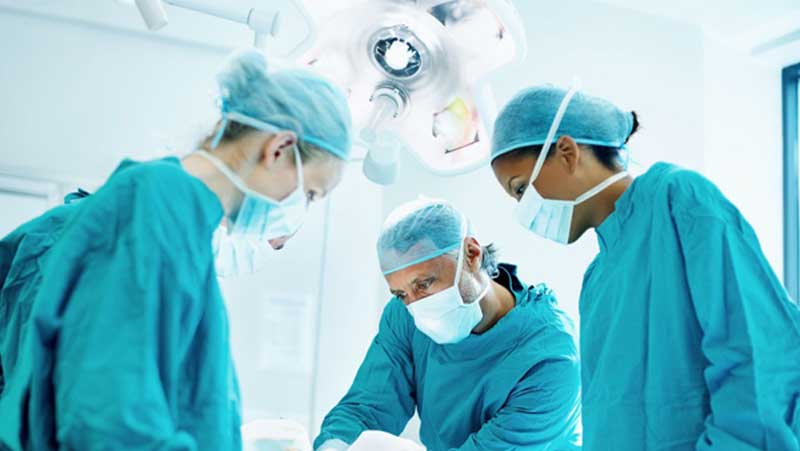
Parotid tumor surgery is typically performed under general anesthesia. The surgeon makes an incision in front of the ear, carefully accessing the parotid gland. Depending on the tumor’s location and nature, the surgeon will remove the tumor along with a margin of healthy tissue to ensure complete excision.

5. Potential Risks and Complications

While parotid tumor surgery is generally safe, like any surgical procedure, it carries certain risks. These may include infection, bleeding, nerve injury, facial weakness, and Frey’s syndrome (a condition causing sweating and flushing when eating).

6. Recovery and Post-Operative Care

After the surgery, patients are closely monitored during the initial recovery period. They may experience some pain, swelling, and bruising, which is normal. The surgical wound should be kept clean, and any signs of infection should be reported to the medical team promptly.

7. Facial Nerve Preservation

Preserving the facial nerve during parotid tumor surgery is of utmost importance. The facial nerve controls the muscles of facial expression, and any damage to it can lead to facial weakness or paralysis. Surgeons use specialized techniques to minimize the risk of nerve injury.

8. Long-Term Follow-Up

Following surgery, patients will have regular follow-up appointments with their surgeon. These visits are crucial for monitoring the healing process, evaluating facial nerve function, and addressing any concerns or questions the patient may have.

9. Emotional and Psychological Support

Dealing with a parotid tumor and undergoing surgery can be emotionally challenging. Patients are encouraged to seek support from friends, family, or support groups to cope with the emotional aspects of their journey.

10. The Importance of a Skilled Surgeon

Choosing a skilled and experienced surgeon is vital for the success of parotid tumor surgery. Patients should research their surgeon’s credentials, expertise, and track record to ensure they are in capable hands.

Parotid and Facelift: Understanding the Connection for a More Youthful Appearance

In the quest for a more youthful appearance, many individuals explore cosmetic procedures that can address the effects of aging. Two popular options are the parotid and facelift surgeries. These procedures, though distinct, are often sought together for comprehensive rejuvenation. In this article, we will delve into the world of parotid and facelift surgeries, understanding their significance, procedures, benefits, and potential risks.

1. Understanding the Parotid Glands

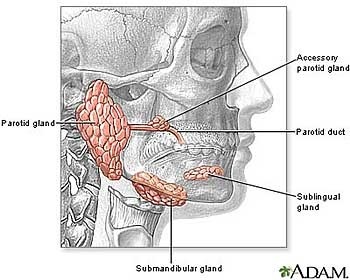
The parotid glands, located on either side of the face, are the largest of the salivary glands. These structures play a crucial role in producing saliva, aiding in the digestion process. Beyond their functional role, the parotid glands can also impact one’s appearance, especially as they age. Enlarged or sagging parotid glands can lead to a “jowl” effect, contributing to an aged and tired appearance.

2. The Facelift: An Overview

The facelift, also known as a rhytidectomy, is a cosmetic surgical procedure designed to address signs of aging in the face and neck. It involves tightening the facial muscles, removing excess skin, and repositioning tissues to create a smoother and more youthful appearance. While the facelift is highly effective in treating certain facial concerns, it may not specifically target the parotid glands.

3. Combining Parotid and Facelift Surgeries

For individuals seeking a comprehensive facial rejuvenation, the combination of parotid and facelift surgeries can be a powerful solution. By addressing both the sagging parotid glands and other facial aging concerns simultaneously, patients can achieve a more balanced and natural-looking result.

4. The Parotid Surgery Procedure

Parotid surgery, also known as parotidectomy, is a surgical procedure performed to remove all or part of the parotid gland. This surgery is usually recommended when there are issues such as tumors, infections, or excessive enlargement of the gland. During the procedure, the surgeon makes an incision in front of the ear and carefully removes the affected gland.

5. The Facelift Surgery Procedure

The facelift surgery is typically performed under general anesthesia. The surgeon begins by making incisions around the hairline and behind the ears. Through these incisions, the facial muscles are tightened, excess fat is removed or repositioned, and the skin is draped back into place. The incisions are then closed, leaving the patient with a rejuvenated and youthful appearance.

6. Benefits of Parotid and Facelift Surgeries

• Comprehensive Facial Rejuvenation: The combination of both surgeries addresses various signs of aging, providing more balanced results.

• Natural-Looking Outcome: When performed by an experienced surgeon, the results are subtle and natural-looking, enhancing the patient’s appearance without an artificial look.

• Boost in Self-Confidence: Many patients report increased self-esteem and confidence after undergoing these procedures.

7. Potential Risks and Considerations

As with any surgical procedure, both parotid and facelift surgeries carry certain risks. These may include infection, scarring, bleeding, nerve damage, and unfavorable aesthetic outcomes. It is essential for patients to thoroughly discuss the risks and potential complications with their surgeon before making a decision.

8. Post-Operative Care and Recovery

After undergoing parotid and facelift surgeries, patients can expect some swelling, bruising, and discomfort. Following the surgeon’s post-operative instructions is vital for a smooth and successful recovery. Rest, proper wound care, and avoiding strenuous activities are essential during this period.

9. Are You a Good Candidate?

Not everyone is a suitable candidate for parotid and facelift surgeries. Ideal candidates are generally in good health, have realistic expectations, and wish to address specific facial aging concerns. A consultation with a qualified surgeon is crucial to determine if these procedures are appropriate for an individual’s unique needs.

Unveiling Mucoepidermoid Tumors: Symptoms, Diagnosis, Treatment

Mucoepidermoid tumors are a type of salivary gland tumor that can pose unique challenges to affected individuals. These tumors have varying characteristics and potential for malignancy, necessitating a comprehensive understanding of their symptoms, diagnosis, and treatment options. In this blog post, we will delve into the world of mucoepidermoid tumors, shedding light on their nature, diagnostic methods, and available treatments. By gaining knowledge about this condition, individuals can empower themselves to navigate their healthcare journey more effectively.

1. What are Mucoepidermoid Tumors? Mucoepidermoid tumors are a diverse group of tumors that arise in various salivary gland locations, including the parotid gland, submandibular gland, and minor salivary glands. These tumors are characterized by a mixture of different cell types, including mucous-secreting cells, epidermoid cells, and intermediate cells. They can range from low-grade (benign) to intermediate-grade or high-grade (malignant) tumors.

2. Symptoms and Presentation: The symptoms of mucoepidermoid tumors can vary depending on factors such as the tumor size, location, and grade. Common indications include the presence of a painless, slowly growing mass or swelling near the affected salivary gland. Other potential symptoms may include facial asymmetry, difficulty in swallowing, talking, or breathing, as well as pain or discomfort. Prompt medical attention is crucial to evaluate and manage these symptoms effectively.

3. Diagnostic Procedures: Accurate diagnosis of mucoepidermoid tumors involves various diagnostic procedures. These can include a thorough medical history review, physical examination, imaging tests (such as ultrasound, MRI, or CT scans), and a biopsy to analyze the tumor tissue composition. These tests help determine the tumor’s grade, location, and potential involvement of surrounding structures, guiding treatment decisions.

4. Treatment Options: The treatment of mucoepidermoid tumors depends on several factors, including the tumor grade, size, location, and the individual’s overall health. Surgical removal is the primary treatment approach, aiming to remove the tumor while preserving normal gland function whenever possible. Additional treatments, such as radiation therapy or chemotherapy, may be recommended in certain cases, particularly for high-grade or advanced tumors. Regular follow-up care is crucial to monitor for potential recurrence or metastasis.

5. Outlook and Prognosis: The prognosis for mucoepidermoid tumors can vary depending on the tumor’s grade and stage, as well as the individual’s response to treatment. Low-grade tumors generally have a good prognosis, with a high likelihood of cure after surgical removal. However, high-grade or advanced tumors may require more aggressive treatment and have a higher risk of recurrence or metastasis. Regular surveillance and close collaboration with healthcare professionals are essential to monitor the tumor’s behavior and optimize long-term outcomes.

Conclusion: Mucoepidermoid tumors present a complex challenge for individuals affected by salivary gland tumors. By understanding their characteristics, symptoms, diagnostic methods, and treatment options, individuals can approach their healthcare journey with greater confidence and informed decision-making. Prompt medical attention, comprehensive evaluation, and appropriate treatment interventions are key to managing mucoepidermoid tumors effectively and striving for optimal health and well-being.

Unraveling the Mysteries of Pleomorphic Adenoma

Pleomorphic adenoma is the most common type of benign salivary gland tumor, yet its intricacies and impact on individuals can be significant. In this blog post, we will delve into the world of pleomorphic adenoma, exploring its characteristics, symptoms, diagnostic methods, and treatment options. By gaining a comprehensive understanding of this condition, we can empower individuals affected by pleomorphic adenoma to make informed decisions about their health.

What is Pleomorphic Adenoma?

Pleomorphic adenoma is a non-cancerous tumor that commonly develops in the salivary glands, particularly the parotid gland. It is characterized by a mixed cell composition, consisting of both epithelial and mesenchymal cells. While generally benign, pleomorphic adenoma can grow and cause discomfort, impacting the affected individual’s quality of life.

Symptoms and Presentation:

The signs and symptoms of pleomorphic adenoma can vary depending on the location and size of the tumor. Common indications include the presence of a painless, slowly growing lump or swelling near the affected salivary gland. In some cases, the tumor may cause facial asymmetry, difficulty in swallowing or talking, and discomfort or pain. Prompt medical attention is essential to assess and address these symptoms effectively.

Diagnostic Procedures:

To diagnose pleomorphic adenoma, healthcare professionals may utilize various diagnostic procedures. These can include a physical examination, imaging tests such as ultrasound or MRI, and a biopsy to examine the tissue composition of the tumor. These tests aid in determining the nature, size, and location of the tumor, enabling appropriate treatment planning.

Treatment Options:

The primary treatment for pleomorphic adenoma is surgical removal of the tumor. The extent of surgery depends on factors such as the size, location, and involvement of adjacent structures. In cases where the tumor is large or has a higher risk of recurrence, partial or complete removal of the affected salivary gland may be necessary. After surgery, regular follow-up appointments are crucial to monitor any potential recurrence.

Outlook and Prognosis:

The prognosis for pleomorphic adenoma is generally favorable, as it is a benign tumor. However, the risk of recurrence remains, particularly if the tumor is not completely removed during surgery. Regular monitoring and early detection of any recurrent or new tumors are essential for timely intervention. Healthcare professionals work closely with patients to develop personalized care plans, ensuring the best possible outcome and long-term health.

Pleomorphic adenoma is a complex yet treatable condition that affects the salivary glands. By familiarizing ourselves with its characteristics, symptoms, diagnostic methods, and treatment options, we can empower individuals affected by pleomorphic adenoma to make informed decisions about their healthcare journey. With prompt medical attention, appropriate treatment, and regular follow-up, individuals can effectively manage pleomorphic adenoma and strive for a healthy and fulfilling life.

Navigating the Challenges of a Cut Facial Nerve

The facial nerve plays a crucial role in our ability to express emotions, speak, and carry out daily activities. However, a cut facial nerve can have a profound impact, leading to facial paralysis and a range of physical and emotional challenges. In this blog post, we will explore the causes, symptoms, and treatment options for a cut facial nerve, as well as provide insights on how to cope with facial paralysis and regain quality of life.

1. Understanding the Facial Nerve: The facial nerve, also known as cranial nerve VII, controls the muscles of facial expression. It transmits signals from the brain to the muscles, enabling various facial movements and expressions. A cut facial nerve can occur due to trauma, surgery, or other medical conditions, disrupting this essential communication pathway and resulting in facial paralysis.

2. Symptoms of Facial Paralysis: Facial paralysis caused by a cut facial nerve can manifest in various ways. Common symptoms include the inability to move the affected side of the face, drooping of the mouth or eyelid, difficulty closing the eye, loss of taste sensation, and dryness or excessive tearing in the eye. These symptoms can significantly impact one’s physical appearance, self-esteem, and overall quality of life.

3. Treatment Options: The treatment for a cut facial nerve depends on the severity and cause of the injury. In some cases, surgical repair may be necessary to reconnect the nerve ends and restore facial function. Physical therapy, including exercises and massage techniques, can also aid in improving muscle strength and mobility. Additionally, certain medications, such as steroids, may be prescribed to reduce inflammation and promote nerve healing.

4. Coping with Facial Paralysis: Coping with facial paralysis can be challenging both physically and emotionally. It is important to seek support from healthcare professionals, such as facial rehabilitation specialists, who can provide guidance on managing symptoms and improving facial function. Additionally, joining support groups or seeking therapy can help individuals cope with the psychological impact of facial paralysis and maintain a positive mindset throughout the recovery process.

5. Rehabilitation and Facial Exercises: Facial exercises and rehabilitation techniques can play a crucial role in regaining muscle strength and control. These exercises are designed to stimulate the facial muscles, improve blood circulation, and encourage nerve regeneration. Working closely with a facial rehabilitation specialist can ensure a personalized approach to rehabilitation, maximizing the potential for recovery.

Conclusion: A cut facial nerve and subsequent facial paralysis present unique challenges that can significantly impact one’s life. Understanding the causes, symptoms, and treatment options for facial paralysis is crucial in navigating this journey. By seeking appropriate medical care, adopting rehabilitation techniques, and embracing a support system, individuals can cope with facial paralysis and work towards regaining their physical and emotional well-being. Remember, with time, patience, and professional guidance, it is possible to regain control and lead a fulfilling life despite the challenges posed by a cut facial nerve.

Why Parotid Tumor Surgery Is Crucial To Get Done

After knowing about the early signs and symptoms and making final decision for parotid tumor surgery, the most crucial thing is to know about the type of parotid tumors – divided into two types – the benign or non-cancerous and another one is malignant.

The benign and malignant tumors occur in different types. The most common tumor is the benign mixed tumor or pleomorphic adenoma.

Mixed tumors have well-defined edges and don’t have significant portions invading normal tissues like cancers.

The main issue with the tumors that you need to know about before parotid tumor surgery, is that they will continue to grow making it more and more difficult like cancers.

Another issue with the tumors is that they will continue to grow making it more and more difficult to remove through parotid tumor surgery or through other methods. They can turn into a malignant tumor. The next most common benign tumor is the Warthin’s tumor or Papillary Cystadenoma Lumphomatosum.

Parotid tumor surgery or surgical excision is likely curative with a small incidence of recurrence. They are not known to degenerate into carcinoma, but occasionally occur on both sides.

Other benign tumors include Oncocytomas, Monomorphic tumor and others that are well-treated with excision.

Alpha Surgical Group is the right platform providing you with details information about the parotid tumor and suggesting the best treatment options. Consult with experts and get the right treatment options.

Design a site like this with WordPress.com
Get started