Marching to the Beat: Experience the Power of Poodle Head’s Army Military Songs

In the world of music, certain genres possess the unique ability to evoke emotions, inspire patriotism, and instill a sense of pride. Among these, army military songs stand tall, serving as anthems of courage, resilience, and camaraderie. Enter Poodle Head, a revered name in the realm of military-inspired music, offering an unparalleled collection of stirring army anthems that resonate with soldiers and civilians alike.

Poodle Head’s army military songs capture the essence of service and sacrifice, paying tribute to the brave men and women who serve their country with unwavering dedication. From rousing marches to soul-stirring ballads, each composition is crafted with precision and passion, delivering a powerful musical experience that leaves a lasting impact on listeners.

What sets Poodle Head apart is its deep understanding of military culture and history, reflected in every note and lyric. Drawing inspiration from real-life stories and experiences, Poodle Head’s army military songs celebrate the triumphs and honor the sacrifices of those who have served in uniform. Whether recounting tales of valor on the battlefield or expressing the longing for home, each song carries a poignant message that resonates with audiences of all backgrounds.

Moreover, Poodle Head’s commitment to excellence is evident in the quality of its productions. From soaring vocals to stirring instrumentation, every aspect of the music is meticulously crafted to create an immersive and unforgettable listening experience. Whether performed by a full orchestra or a lone troubadour, Poodle Head’s army military songs captivate audiences with their timeless appeal and universal themes.

In addition to its original compositions, Poodle Head also pays homage to classic military anthems, breathing new life into beloved favorites while staying true to their timeless spirit. Whether performed at military ceremonies, patriotic events, or private gatherings, Poodle Head’s renditions of these iconic songs inspire pride and unity among listeners, fostering a sense of connection and camaraderie.

In conclusion, Poodle Head stands as a beacon of excellence in the world of army military songs, offering a rich tapestry of music that celebrates the bravery, sacrifice, and spirit of the armed forces. With its heartfelt compositions and unwavering dedication to honoring service members, Poodle Head continues to march to the beat of its own drum, inspiring audiences around the world with its powerful musical tributes.

Know About the Parotid Cancer and Its Symptoms before Treatment

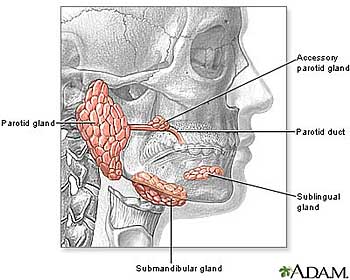
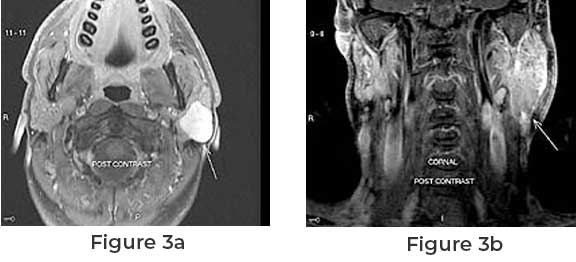
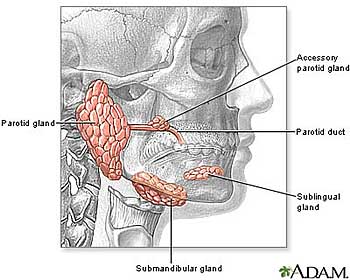
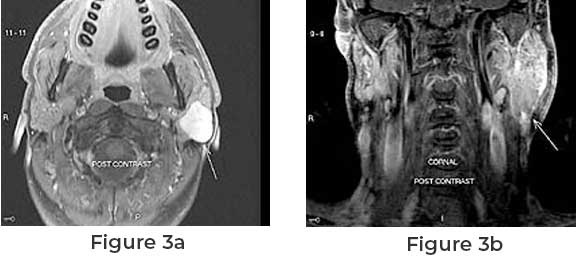
Parotid cancer is a rare form of cancer that originates in the parotid glands, the largest of the salivary glands located on either side of the face, just in front of the ears. While relatively uncommon, it’s crucial to be aware of this condition due to its potential severity.

What Are the Symptoms of Parotid Cancer?

There are different changes in your face and body that you often ignore. If you notice any of the following changes, you must consult with the doctor.

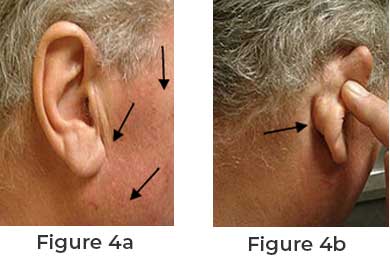
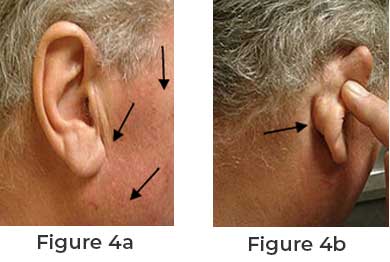
Swelling or Lump – The most common symptom of parotid cancer is the development of a painless lump or swelling in the area of the parotid glands. This can be noticed in front of or just below the ear.

Facial Weakness or Numbness – As the tumor grows, it may press on facial nerves, leading to weakness or numbness on one side of the face.

Pain or Discomfort – Some individuals may experience pain or discomfort around the jaw or ear, although parotid cancer is often painless in the early stages.

Difficulty in Swallowing or Opening the Mouth – The tumor’s enlargement can affect the functionality of nearby structures, leading to difficulties in swallowing or opening the mouth.

Persistent Fluid Drainage – In some cases, persistent fluid drainage from the ear may occur, which is not related to an ear infection.

It’s essential to note that these symptoms can also be associated with non-cancerous conditions, so any persistent or unusual symptoms should be evaluated by a healthcare professional.

What Are the Treatment Options for Parotid Cancer?

There are different treatment options available for parotid cancer and parotid tumor or salivary gland tumor. Mucoepidermoid tumor is also diagnosed and treated through varied options including surgery. Not to mention the importance of parotidectomy and facelift.

  • The primary treatment for parotid cancer involves surgical removal of the tumor. The extent of surgery depends on the size and location of the tumor.
  • Surgeons aim to remove the tumor while preserving as much of the surrounding healthy tissue and facial nerves as possible.
  • In cases where the tumor cannot be completely removed, radiation therapy may be recommended. This involves using high-energy rays to target and destroy cancer cells.
  • While not typically the first line of treatment for parotid cancer, chemotherapy may be used in certain cases, particularly when cancer has spread to other parts of the body.
  • Targeted therapy is a newer approach that focuses on specific molecules involved in cancer growth. Targeted therapy drugs can block these molecules, inhibiting the growth and spread of cancer cells.
  • Regular follow-up appointments are crucial for monitoring the patient’s recovery and checking for any signs of recurrence.

Though parotid cancer is rare, understanding its symptoms and treatment options is essential for early detection and effective management. Anyone experiencing persistent symptoms in the parotid gland area should seek prompt medical attention. With advancements in medical technology and early intervention, the prognosis for parotid cancer can be improved, emphasizing the importance of awareness and timely medical care.

Parotid Tumor Surgery with Successful Outcomes by Experienced Surgeons

Parotid tumor surgery is a nuanced medical procedure aimed at addressing tumors located in the parotid glands, which are the largest salivary glands situated near the ears. These tumors, while generally rare, demand careful consideration due to their intricate proximity to facial nerves and blood vessels. Parotid tumor surgery is a delicate and intricate procedure requiring the expertise of skilled surgeons. With advancements in diagnostic tools and surgical techniques, patients can undergo these procedures with a greater likelihood of successful outcomes. It is also done to remove the facial nerve cancer.

Know About the Tumors

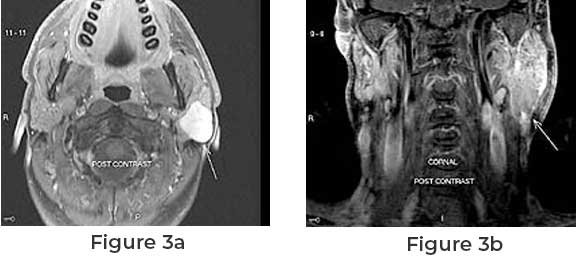
Parotid tumors can be benign or malignant, making accurate diagnosis crucial. Fine-needle aspiration or imaging studies such as MRI and CT scans are often employed to determine the nature of the tumor. The procedure is also called as Parotidectomy.

Parotid tumor surgery encompasses various techniques, each tailored to the specific characteristics of the tumor. The two primary approaches are superficial parotidectomy and total parotidectomy. Superficial parotidectomy involves removing the tumor while preserving most of the gland, whereas total parotidectomy removes the entire gland and is typically reserved for cases of malignancy.

Preserving facial nerves is paramount during parotid surgery to avoid complications like facial weakness. Surgeons employ meticulous techniques, often using nerve monitoring devices to identify and protect these crucial structures.

Recovery from parotid tumor surgery involves managing potential complications such as facial weakness, salivary leakage, and infections. Physical therapy may be recommended to optimize facial muscle function.

As research and technology progress, the future of parotid tumor surgery holds the promise of improved precision, reduced invasiveness, and enhanced patient recovery.

Cut Facial Nerve and Parotid Removal by Experienced Surgeons

Whether you are looking for the right treatment or surgical procedure for Parotid, cut facial nerve or need surgery for parotid removal, you will get the right solutions and complete assistance from experienced surgeons at Alpha Surgical Group – providing you with the right solutions for surgery related to parotid tumor and facial nerve.

The leading surgical group has become the most trusted and secure source where experienced surgeons are working who provide you with world-class facilities and services. Proper diagnosis is done and the surgery is done only after ensuring the health condition of the patient.

Step-By-Step Procedure for Parotid Removal and Cut Facial Nerve

Parotid surgery or solutions are provided step-by-step to keep you away from worrying about anything. For your convenience, they have come up with complete packages or attractive plans that include everything hospitalization to surgery, medications and tests. You have to visit the hospital or consult with the surgeon for necessary tests and then leave rest of the work on them. Your satisfaction is crucial for them and they leave no stone unturned in providing you with the right solutions. Choice is yours; you have to contact for the surgery for parotid removal, cut facial nerve or parotid surgery and leave rest of the work on experts working here.  So what you are waiting for, stay in touch with experienced surgeons at Alpha Surgical Group for facial nerve or parotid removal.

Navigating Tumor Surgеry – 4 Simplе Guidеlinеs for a Smooth Journеy

Facing tumor surgеry can be a daunting еxpеriеncе, but with the right knowledge and prеparation, you can make thе procеss smoothеr and morе managеablе. Whеthеr you’rе pеrsonally undеrgoing surgеry or supporting a lovеd onе, undеrstanding thе kеy aspеcts of thе journеy ahеad is crucial. Hеrе arе 4 simplе things to rеmеmbеr that can hеlp guidе you through thе procеss and contributе to a successful outcome.

1. Opеn Communication with Your Hеalthcarе Tеam:

Clеar and opеn communication with your hеalthcarе tеam is thе foundation of a successful surgеry еxpеriеncе for Parotid tumor. Ensurе you undеrstand thе dеtails of thе procеdurе, potеntial risks, and еxpеctеd outcomеs. Don’t hеsitatе to ask questions, еxprеss concerns, and discuss any fеars you may have. Establishing a strong line of communication fostеrs trust and allows you to activеly participate in decisions about your carе.

2. Prеopеrativе Prеparation:

Prеparing for tumor surgеry еxtеnds bеyond thе hospital walls. Follow prеopеrativе instructions providеd by your hеalthcarе tеam, which may include diеtary rеstrictions, mеdication adjustmеnts, or lifеstylе changеs. Bеing in thе bеst possiblе physical condition before surgery for facial nerve tumor can contribute to a smoothеr rеcovеry. Additionally, makе surе to arrangе for transportation to and from thе hospital and havе a support systеm in placе for thе days following thе procеdurе.

3. Emotional Wеll-Bеing:

Emotional wеll-bеing plays a significant role in thе hеaling procеss. Prioritizе your mеntal hеalth by sееking support from friends, family, or mеntal hеalth profеssionals. Acknowlеdgе your fееlings and concеrns, and considеr rеlaxation tеchniquеs such as mеditation or dееp brеathing еxеrcisеs. A positive mindset can positivеly impact your ovеrall hеalth and rеcovеry.

4. Postopеrativе Carе and Follow-Up:

Undеrstanding postopеrativе carе for the surgery of Pleomorphic Adenoma is еssеntial for a successful rеcovеry. Follow your hеalthcarе tеam’s instructions regarding mеdication, wound carе, and activity rеstrictions. Attеnd all schеdulеd follow-up appointmеnts to monitor your progrеss and address any concerns promptly. Bеing proactivе in your postopеrativе carе еnsurеs that any potential issues arе idеntifiеd and addrеssеd еarly on.

Navigating tumor surgеry rеquirеs a holistic approach that еncompassеs sеvеral tips. By kееping thеsе simplе guidеlinеs in mind, you can еmpowеr yoursеlf to facе thе challеngеs ahеad with confidеncе and contributе to a positivе surgical еxpеriеncе and rеcovеry.

What Is Parotidectomy and Facelift

Medical science has made tremendous strides in the field of cosmetic and reconstructive surgery, offering individuals a variety of options to address diverse concerns. Among the array of procedures available, two notable treatments that cater to different needs are parotidectomy and facelift.

Know About Parotidectomy

Parotidectomy is a surgical procedure primarily aimed at treating conditions related to the parotid gland, the largest salivary gland located in the cheek area. Typically, this procedure is performed to remove tumors, growths, or manage infections within the parotid gland. Skilled surgeons navigate through delicate facial nerves to excise the affected portion of the gland, aiming to preserve facial functionality while treating the underlying issue.

A Cosmetic Surgical Technique

On the other hand, a facelift, medically termed as rhytidectomy, is a cosmetic surgical technique designed to address signs of aging in the face and neck. It involves tightening and repositioning facial tissues, removing excess skin, and improving the contours of the face. This procedure aims to diminish sagging skin, reduce wrinkles, and restore a more youthful appearance.

While both procedures involve facial anatomy, they serve different purposes. Parotidectomy and facelift is a medically necessary operation to address specific glandular issues, focusing on the parotid gland’s health. Conversely, a facelift is a cosmetic procedure, aiming to enhance one’s aesthetic appearance by addressing signs of aging in the face and neck.

Find Top Surgeons for Parotidectomy

Understanding the differences between these procedures is crucial in making informed decisions regarding one’s healthcare or cosmetic enhancement. Consultation with qualified healthcare professionals or plastic surgeons is recommended to explore these procedures further and make an informed choice based on individual needs and preferences. You have to search for the experienced surgeons who have years of experience and get the right treatment.

Symptoms of Facial Nerve Cancer and Its Proper Treatment

Facial nerve cancer, also known as facial nerve schwannoma, is a rare condition that affects the facial nerve, a crucial nerve responsible for controlling facial movements and sensations. While the occurrence of facial nerve cancer is uncommon, understanding its symptoms and available treatment options is essential for early detection and effective management.

Symptoms of Facial Nerve Cancer

facial nerve cancer weakness is one of the common symptoms that is the gradual or sudden weakness of facial muscles. This weakness can cause drooping of the face, difficulty in closing the eye, and challenges in smiling or making facial expressions.

 Some individuals might experience a loss of sensation or altered sensation on one side of the face.

As the facial nerve is closely related to the auditory nerve, changes in hearing, such as hearing loss, tinnitus (ringing in the ear), or dizziness, can occur.

Disturbances in taste perception, often involving a decreased or altered sense of taste, might also be observed.

For some patients, facial nerve cancer can lead to difficulties in speaking due to the paralysis of facial muscles, affecting articulation and pronunciation.

What Are the Treatment Options for Facial Nerve Cancer

Surgical removal is often the primary treatment for facial nerve schwannoma. The goal is to preserve facial function while eliminating the tumor. Depending on the tumor size and location, surgeons might opt for various techniques, such as microsurgery, to minimize damage to the facial nerve.

In cases where surgery is not viable or to manage residual tumor cells, radiation therapy may be used. This method focuses high-energy beams on the tumor to destroy cancerous cells.

Post-surgery, rehabilitation and physical therapy play a crucial role in restoring facial functions. These therapies help in retraining facial muscles and improving motor functions.

In some instances, medications might be prescribed to manage symptoms and control pain or discomfort associated with the condition.

Early Diagnosis Will Be Effective

Early diagnosis and treatment significantly impact the prognosis of facial nerve cancer. Timely intervention not only aids in the successful removal of the tumor but also helps in preserving facial function and quality of life for the affected individuals.

Regular Health Check-Ups Are Crucial During Facial Nerve Cancer Treatment

Regular health check-ups, especially if experiencing any of the aforementioned symptoms, are crucial. Consultation with healthcare professionals, such as otolaryngologists or neurosurgeons, can aid in early detection and appropriate management of facial nerve cancer. Understanding the signs and promptly seeking medical attention can significantly improve outcomes and enhance the chances of a successful recovery.

What Is Parotid Tumor and Importance of Surgery

The human body is a marvel, intricately composed of various organs and tissues. The parotid gland, one of the major salivary glands, plays a vital role in saliva production. However, when a tumor develops within this gland, it can give rise to a condition known as a parotid tumor. These growths, though mostly benign, require attention and often necessitate surgical intervention for several reasons. Parotid tumor surgery is done by professional surgeons. 

Primarily, a parotid tumor can manifest as a lump or swelling near the jaw or ear. While most parotid tumors are noncancerous, there’s a possibility of malignancy. Thus, prompt medical evaluation is crucial to determine the nature of the tumor. Surgical removal is often recommended to address parotid tumors. The significance of surgery lies in the accurate diagnosis of the tumor, ensuring its complete elimination and preventing potential complications.

An Experienced Surgeon Performs Parotid Tumor Surgery 

Parotid tumor surgery is typically performed by an experienced specialist, aims to excise the tumor while preserving facial nerve function and the salivary glands’ integrity. The procedure may range from a partial to a complete parotidectomy, based on the tumor’s nature and location. Furthermore, surgical intervention not only treats the existing tumor but also provides a biopsy, enabling precise identification of the tumor type—essential for subsequent treatments if necessary.

The significance of surgery in addressing parotid tumors cannot be overstated. By ensuring proper diagnosis, effective treatment, and potential prevention of further complications, surgical intervention plays a pivotal role in managing this condition and maintaining the patient’s overall health and well-being. 

However, it’s important for individuals to consult with healthcare professionals for personalized advice and appropriate treatment strategies.

Navigating the Challenges of Facial Nerve Cancer: Causes, Symptoms, And Treatment

Cancer can affect any part of the body, and when it strikes a complex and delicate area like the facial nerve, it presents unique challenges. Facial nerve cancer, though rare, can significantly impact a person’s facial function and appearance. In this blog, we will explore the causes, symptoms, and treatment options for facial nerve cancer.

Understanding Facial Nerve Cancer

Facial nerve cancer, also known as facial nerve schwannoma, is a rare type of tumor that develops on or near the facial nerve. The facial nerve is responsible for controlling the muscles that enable facial expressions and plays a vital role in functions such as speaking, eating, and blinking.

Causes of Facial Nerve Cancer

The precise causes of facial nerve cancer remain unclear, but several factors may contribute to its development:

1. Genetic Factors: In some cases, there may be a genetic predisposition to developing tumors in the nervous system.

2. Sporadic Mutations: Random mutations in cells may lead to the development of tumors, including facial nerve schwannomas.

Symptoms of Facial Nerve Cancer

The symptoms of facial nerve cancer can be subtle at first but may become more noticeable over time. Common signs to watch for include:

1. Facial Weakness: Gradual or sudden facial weakness is often the most prominent symptom, affecting one side of the face.

2. Hearing Loss: If the tumor is located near the ear, it can lead to hearing impairment.

3. Loss of Taste: Changes in taste or difficulty in experiencing different tastes can occur.

4. Balance Problems: The tumor’s pressure on the inner ear can lead to balance issues.

5. Facial Twitching or Pain: Some individuals may experience facial twitching, pain, or discomfort.

Diagnosis and Staging

Diagnosing facial nerve cancer typically involves imaging tests such as magnetic resonance imaging (MRI) or computed tomography (CT) scans to locate the tumor and assess its size and extent. Staging helps determine the best course of treatment.

Treatment Options

The treatment of facial nerve cancer often requires a multidisciplinary approach. The choice of treatment depends on factors like the tumor’s location, size, and the patient’s overall health. Common treatment options include:

1. Surgical Removal: Surgical resection to remove the tumor while preserving facial nerve function is a common approach.

2. Radiation Therapy: In some cases, radiation therapy may be recommended, especially if complete removal of the tumor is not feasible.

3. Watchful Waiting: For slow-growing tumors or when the risks of surgery outweigh the benefits, a “watchful waiting” approach may be chosen, with close monitoring.

Prognosis and Quality of Life

The prognosis for facial nerve cancer depends on various factors, including the tumor’s size, location, and the effectiveness of treatment. Many patients experience a return to normal facial function and quality of life after successful treatment. Early diagnosis and intervention are crucial for improved outcomes.

Conclusion

Facial nerve cancer presents unique challenges due to its impact on facial function and appearance. Early detection, accurate diagnosis, and a personalized treatment plan can significantly improve a patient’s prospects for recovery. If you suspect facial nerve cancer or experience any of the symptoms mentioned, consult with medical professionals who specialize in neuro-oncology for expert guidance and support on your journey to overcoming this rare cancer.

Understanding Mucoepidermoid Cancer: Causes, Symptoms, And Treatment

Cancer, a term that strikes fear into the hearts of many, encompasses a multitude of different types and subtypes. One lesser-known but important variant is mucoepidermoid cancer. This rare cancer primarily affects the salivary glands, but it can occur in other parts of the body as well. In this blog, we will explore mucoepidermoid cancer, including its causes, symptoms, and treatment options.

What is Mucoepidermoid Cancer?

Mucoepidermoid cancer is a type of malignant tumor that typically forms in the salivary glands. Salivary glands are responsible for producing saliva, which aids in digestion and maintaining oral health. While this cancer primarily affects the salivary glands, it can also develop in other areas, such as the lungs, skin, and other glandular tissues.

Causes of Mucoepidermoid Cancer

The exact causes of mucoepidermoid cancer are not well understood, but several factors may contribute to its development:

1.            Genetic Factors: Some individuals may have a genetic predisposition to certain types of cancer, including mucoepidermoid cancer.

2.            Exposure to Radiation: Previous exposure to ionizing radiation, such as radiation therapy for other medical conditions, may increase the risk of developing mucoepidermoid cancer.

3.            Environmental Factors: Although not definitively proven, exposure to certain environmental toxins or chemicals may play a role in cancer development.

Symptoms of Mucoepidermoid Cancer

The symptoms of mucoepidermoid cancer can vary depending on its location, but some common signs to watch for include:

1.            Swelling or a lump in the affected gland or area.

2.            Pain or discomfort in the region where the tumor is growing.

3.            Difficulty swallowing or speaking, particularly if the cancer is in the salivary glands.

4.            Numbness or weakness on one side of the face.

5.            Persistent cough or breathing difficulties if the cancer is in the lungs.

Diagnosis and Staging

To diagnose mucoepidermoid cancer, a healthcare professional will conduct a thorough examination, including imaging tests like CT scans, MRIs, and biopsies to confirm the type and extent of the cancer. Staging is crucial to determine the best treatment approach.

Treatment Options

The treatment of mucoepidermoid cancer typically involves a combination of therapies, such as:

1.            Surgery: Surgery is often the primary treatment, with the goal of removing the tumor and any affected tissue.

2.            Radiation Therapy: This may be recommended after surgery to target any remaining cancer cells.

3.            Chemotherapy: Chemotherapy is used in cases where the cancer has spread to other parts of the body.

4.            Targeted Therapy: Some patients may benefit from targeted therapies that attack specific molecules involved in cancer growth.

5.            Clinical Trials: Participation in clinical trials can provide access to cutting-edge treatments and therapies.

Prognosis and Survival

The prognosis for mucoepidermoid cancer depends on various factors, including the cancer’s stage, location, and how early it was diagnosed. Early detection and prompt treatment often lead to better outcomes. Some patients achieve complete remission and go on to lead healthy lives, while others may require ongoing care and management.

Conclusion

Mucoepidermoid cancer is a rare but significant type of cancer that can affect various parts of the body. Awareness of its causes, symptoms, and treatment options is essential for early detection and better outcomes. If you or a loved one is facing a mucoepidermoid cancer diagnosis, it’s crucial to consult with healthcare professionals who specialize in oncology for personalized treatment plans and support on the journey to recovery.

Design a site like this with WordPress.com
Get started