The Signs and Symptoms of Facial Nerve Tumor

Facial nerve tumors, though rare, can have significant implications on facial function and overall well-being. Understanding the signs and symptoms is crucial for early detection and effective management. The experienced surgeons guides you to identify the facial nerve tumor by paying attention to a few changes. Here are a few signs and symptoms of facial nerve tumor.

Facial Weakness

One of the hallmark signs of a facial nerve tumor is unilateral facial weakness. This weakness may manifest as difficulty in closing one eye, drooping of the mouth or eyelid, or asymmetry in facial expressions. Gradual onset of weakness is common, often progressing over weeks to months.

Facial Twitching or Spasms

Uncontrolled twitching or spasms, known as facial myokymia, can occur in individuals with facial nerve tumors. These involuntary movements typically affect one side of the face and may worsen with stress or fatigue.

Loss of Taste

The facial nerve plays a crucial role in conveying taste sensations from the front two-thirds of the tongue. Therefore, tumors affecting this nerve may lead to a diminished sense of taste on one side of the tongue.

Hearing Loss

Facial nerve tumors, particularly those near the inner ear, can result in sensorineural hearing loss in the affected ear. This hearing impairment may be gradual and progressive.

Balance Issues

Tumors in proximity to the vestibulocochlear nerve, which is closely associated with the facial nerve, can cause dizziness and imbalance. Individuals may experience vertigo, difficulty maintaining balance, and a sensation of spinning or motion.

Pain or Numbness

Facial nerve tumors may occasionally present with facial pain or numbness, particularly around the ear or the distribution of the affected nerve. Recognizing the signs and symptoms of facial nerve tumor is paramount for timely diagnosis and intervention. If you or someone you know experiences any of these symptoms, seeking prompt medical attention is advised for proper evaluation and management. Early detection can significantly improve treatment outcomes and quality of life.

Why Cut Facial Nerve Procedure Is Done by Surgeons

The facial nerve or cranial nerve VII is the most vital nerve to control the facial expressions. It plays a crucial role in transmitting taste sensations from the anterior two-thirds of the tongue. You will notive varied change like facial paralysis, tumor, and other issues that may cause cut facial nerve.

One such is facial paralysis treatment. Facial nerve surgery, such as facial nerve decompression or neurectomy, might be necessary to alleviate symptoms of facial paralysis. Conditions like Bell’s palsy or facial nerve trauma can lead to debilitating facial weakness or paralysis, impacting a person’s quality of life. By cut facial nerve – mainly the affected nerve, surgeons can sometimes alleviate pressure or remove damaged portions, allowing for improved function and possibly even facial movement restoration.

Cut Facial Nerves for Tumor Management

In cases where benign or malignant tumors affect the facial nerve, surgical intervention may involve cutting a portion of the nerve to remove the tumor safely. This procedure aims to eliminate or reduce the tumor’s impact while preserving as much nerve function as possible. Tumors like acoustic neuromas or facial nerve schwannomas often necessitate delicate surgical techniques to minimize nerve damage.

Chronic facial pain syndromes, such as trigeminal neuralgia, can significantly impair a person’s daily life. In some cases, cutting the affected branches of the facial nerve through procedures like rhizotomy or neurolysis can help alleviate pain signals and improve the individual’s comfort and function.

While the idea of cutting a nerve may sound drastic, in many medical scenarios, it becomes a necessary step to alleviate symptoms, manage tumors, or reduce pain. These procedures often involve skilled surgeons employing precise techniques to achieve the best possible outcomes for patients facing various facial nerve-related issues. You are advised to consult with medical professionals to explore the best treatment options tailored to individual circumstances.

Symptoms of Mucoepidermoid Tumor and Treatment

Mucoepidermoid tumors (MET) are relatively rare tumors that can occur in various parts of the body, most commonly in the salivary glands. These tumors are typically slow-growing and may not cause symptoms in their early stages. However, as they grow larger, they can cause a variety of symptoms depending on their location and size. Mucoepidermoid tumors (METs) are relatively rare, slow-growing tumors that can develop in various glands throughout the body, but most commonly occur in the salivary glands. These tumors are typically benign, meaning they are non-cancerous, but in some cases, they can be malignant, posing a more serious health threat. You should know about the symptoms of mucoepidermoid tumors and the treatment procedures available are crucial for early detection and effective management of these tumors.

Some common symptoms of mucoepidermoid tumors include:

Different symptoms clear the doubts of surgeons to diagnose the problem and recommend the treatment.

  • Swelling or a lump in the affected area, such as the neck, jaw, or mouth
  • Pain or discomfort, especially if the tumor presses on nearby nerves or tissues
  • Difficulty swallowing or speaking if the tumor is located in the throat or mouth
  • Changes in facial appearance if the tumor affects the facial nerves or muscles
  • Numbness or weakness in the face or mouth
  • Persistent cough or hoarseness if the tumor affects the respiratory tract

Treatment for mucoepidermoid tumor typically involves surgical removal of the tumor, especially if it is causing symptoms or growing rapidly. In some cases, radiation therapy or chemotherapy may be recommended to shrink the tumor or kill any remaining cancer cells after surgery. The specific treatment plan will depend on factors such as the size and location of the tumor, as well as the patient’s overall health and preferences.

Diagnosis Is Crucial

If a mucoepidermoid tumor is suspected based on symptoms or imaging studies, a definitive diagnosis is typically made through a biopsy, in which a small sample of tissue is removed and examined under a microscope by a pathologist.

Surgical removal of the tumor is the primary treatment for mucoepidermoid tumors. The goal of surgery is to completely excise the tumor while preserving as much of the surrounding healthy tissue and gland function as possible.

However, chemotherapy is not typically used as a first-line treatment for mucoepidermoid tumors. Mucoepidermoid tumors are relatively rare and usually have a good prognosis when detected and treated early. However, it’s important for individuals to be aware of the symptoms and seek medical attention if they experience any concerning signs or symptoms. Consult with the doctors and get the tests done. It is crucial to know about the symptoms.

What Is Cut Facial Nerve and Who Needs It?

The facial nerve, also known as cranial nerve VII, is a vital component of the human nervous system responsible for controlling the muscles of facial expression. However, in certain medical scenarios, Cut Facial Nerve becomes necessary. This procedure, though delicate, can be life-changing for individuals with specific medical conditions. One primary reason for cutting the facial nerve is to alleviate the symptoms of severe facial pain disorders like trigeminal neuralgia.

Intense Stabbing Pain in the Face

This condition causes intense, stabbing pain in the face, often triggered by simple actions such as speaking or chewing. When medications fail to provide relief, Cut Facial Nerve can offer significant pain reduction, although it comes with the side effect of facial numbness.

Facial Paralysis due to Trauma or Bell’s Palsy

Another instance where cutting the facial nerve may be considered is in cases of facial paralysis, typically due to trauma or conditions like Bell’s palsy. When other treatments prove ineffective in restoring facial movement, surgically severing the affected nerve fibers may be an option to relieve the paralysis.

It’s important to note that cutting the facial nerve is not a decision taken lightly. It involves careful consideration of the risks and benefits, as well as thorough discussions between patients and healthcare providers. Facial nerve surgery carries potential complications, including permanent facial weakness, altered taste sensation, and dry eyes.

Nerve Stimulation Techniques and Minimal Invasive Procedures

Advancements in medical technology have led to alternative treatments, such as nerve stimulation techniques and minimally invasive procedures, which may offer benefits with fewer risks.Cut facial nerve is a specialized procedure reserved for specific medical conditions where traditional treatments have failed. While it can provide relief from debilitating symptoms like facial pain or paralysis, it’s crucial to weigh the potential risks and benefits before pursuing this option. Consulting with qualified healthcare professionals is essential for making informed decisions regarding facial nerve surgery.

How to Diagnose the Mucoepidermoid Tumor and Early Treatment

Mucoepidermoid tumors (METs) are rare but potentially serious growths that can occur in various parts of the body, most commonly in the salivary glands. Early diagnosis and treatment are crucial for better outcomes. A comprehensive medical history and thorough physical examination are essential initial steps in diagnosing METs. Symptoms such as a lump or swelling in the affected area, pain, difficulty swallowing, or changes in voice may prompt further investigation.

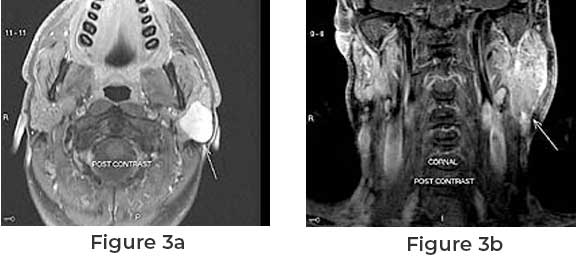
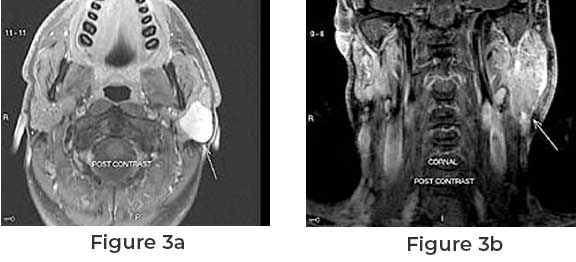
Imaging techniques like ultrasound, CT scans, or MRI scans can provide detailed images of the affected area, helping to visualize the tumor’s size, location, and extent of spread.

A biopsy involves removing a small sample of tissue from the suspected tumor for examination under a microscope. This definitive diagnostic test confirms the presence of Mucoepidermoid tumor cells.

Know About the Treatment Procedure

Surgery is the primary treatment for Mucoepidermoid tumors. The goal is to remove the tumor completely while preserving surrounding healthy tissue. In some cases, this may involve partial or complete removal of the affected salivary gland.

Radiation therapy may be recommended after surgery to kill any remaining cancer cells or as a primary treatment for tumors that cannot be surgically removed.

Chemotherapy, often in combination with radiation therapy, may be used for advanced or recurrent Mucoepidermoid tumors to shrink the tumor, alleviate symptoms, or slow down its growth.

In certain cases, targeted therapy drugs may be prescribed to specifically target and inhibit the growth of cancer cells, potentially improving treatment outcomes.

Early detection and prompt treatment are critical for managing Mucoepidermoid tumors effectively. If you notice any concerning symptoms or have risk factors predisposing you to these tumors, consult a healthcare professional promptly for evaluation and appropriate management.

Parotidectomy and Facelift Procedure to Remove Tumors or Diseases Tissues

Parotidectomy, a surgical procedure to remove tumors or diseased tissue from the parotid gland, and facelift, a cosmetic surgery to rejuvenate the face, might seem like unlikely companions. However, there are situations where these two procedures can be performed together, offering patients a comprehensive solution for both medical and aesthetic concerns.

  • Parotidectomy is typically recommended for conditions like tumors, infections, or chronic inflammation affecting the parotid gland, which is located just in front of the ear.
  • The primary goal of parotidectomy is to address medical issues, the surgery can sometimes leave visible scars or alter facial contours, especially if a significant portion of the gland needs removal.
  • Facelift targets signs of aging such as sagging skin, wrinkles, and loss of facial volume.
  • By tightening underlying tissues and repositioning skin, a facelift can restore a more youthful appearance to the face and neck.

Combining parotidectomy with facelift allows for addressing both functional and aesthetic concerns simultaneously.

A Beneficial Procedure for Patients Concerned about the Aesthetic Impact of Parotidectomy

By carefully planning the incisions and surgical techniques, skilled surgeons can minimize scarring and ensure optimal cosmetic outcomes. This approach can be particularly beneficial for patients concerned about the aesthetic impact of parotidectomy or those seeking facial rejuvenation alongside necessary medical treatment.

However, it’s crucial for patients considering this combined approach to consult with experienced surgeons who specialize in both parotid surgery and facial aesthetics. Proper evaluation of individual needs and risks is essential to determine candidacy and achieve satisfactory results.

While parotidectomy and facelift might seem like an unconventional pairing, their combination can offer comprehensive solutions for patients dealing with both medical and cosmetic concerns related to the face. With careful planning and expertise, this approach can result in improved function and aesthetics, enhancing overall quality of life for patients.

What Is Parotid Tumor Surgery and Who Need It Most

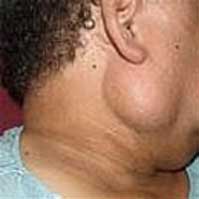
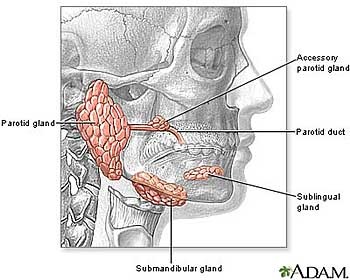
Parotid tumor surgery, also known as parotidectomy, is a surgical procedure performed to remove tumors or growths located in the parotid gland. The parotid gland is the largest of the salivary glands and is located on either side of the face, just in front of the ears. Tumors in this gland can be benign (non-cancerous) or malignant (cancerous).

There are several reasons why someone might need parotid tumor surgery.

Diagnosis of a Parotid Tumor

If a lump or growth is found in the parotid gland, further investigation, including imaging tests and biopsies, may be needed to determine whether the tumor is benign or malignant. Surgery may be recommended as part of the treatment plan.               

Know About the Symptoms

Parotid tumors can cause symptoms such as pain, swelling, difficulty swallowing, or facial weakness. If these symptoms are present and are affecting the patient’s quality of life, surgery may be recommended to remove the tumor and alleviate symptoms.

Malignancy – If the tumor is found to be malignant, surgery is often necessary to remove the cancerous cells and prevent the spread of the disease to other parts of the body.

Cosmetic Concerns – In some cases, parotid tumors may cause visible swelling or deformity of the face. Surgery may be recommended to remove the tumor and restore the appearance of the affected area.

Parotid surgery is typically recommended for individuals who have been diagnosed with a parotid tumor, especially if it is causing symptoms or if there is concern about malignancy. The specific type of surgery and extent of the procedure will depend on factors such as the size and location of the tumor, as well as the patient’s overall health and preferences.

It’s important for individuals with parotid tumors to work closely with their healthcare providers to determine the most appropriate treatment plan for their specific situation.

What Is the Function of Parotid Gland and Why Remove It during Facelift

The parotid gland is one of the major salivary gland located in the face, just in front of the ear and beneath the skin. Its main function is to produce saliva, which aids in the digestion of food. However, it can sometimes become enlarged or develop tumors, which may require surgical intervention. In some cases, patients may also seek cosmetic procedures such as facelifts to improve the appearance of their face.

When considering a facelift procedure, it’s essential to be aware of the proximity of the parotid gland and the potential impact the surgery may have on it. During a facelift, the skin and underlying tissues of the face are tightened and repositioned to create a more youthful appearance. However, if not performed carefully, a facelift can inadvertently affect the parotid gland and its function.

Surgeons performing facelifts must take precautions to avoid damaging the parotid gland and its associated structures. This may involve carefully dissecting the tissues around the gland and ensuring that it remains intact throughout the procedure. Additionally, patients should discuss any concerns about their parotid gland with their surgeon before undergoing a facelift to ensure that the procedure is performed safely.

While a facelift can provide significant cosmetic benefits, it’s essential to consider the potential impact on the parotid gland and take appropriate precautions to protect its function. By working with a skilled and experienced surgeon, patients can achieve the desired results of a facelift while minimizing the risk to their parotid gland and overall facial health.

Parotidectomy and Facelift to Remove Parotid Gland and Rejuvenate the Appearance

Parotidectomy and facelift are two distinct surgical procedures, each serving a specific purpose in addressing different issues related to the face and neck. The experienced surgeons diagnose the issues and recommend surgery.

What Is Parotidectomy?

Parotidectomy is a surgical procedure performed to remove part or all of the parotid gland, which is the largest of the salivary glands located near the ear. The parotid gland can develop tumors or become infected, leading to various symptoms such as pain, swelling, and difficulty swallowing. Parotidectomy is often necessary to remove these tumors or diseased portions of the gland and restore normal function. The surgery is typically performed under general anesthesia and may involve making an incision in front of or behind the ear, depending on the location and size of the tumor.

What Is Facelift and Its Importance?

On the other hand, a facelift, also known as rhytidectomy, is a cosmetic surgical procedure aimed at rejuvenating the appearance of the face and neck. It involves tightening the skin and muscles of the face and neck to reduce sagging and wrinkles, resulting in a more youthful and refreshed appearance. Facelifts are often sought by individuals who wish to address signs of aging such as loose skin, deep creases, and jowls. The procedure may also involve liposuction to remove excess fat and repositioning of facial tissues to create a more defined and youthful contour.

While parotidectomy is a surgical procedure focused on addressing issues with the parotid gland, a facelift is a cosmetic procedure aimed at improving the appearance of the face and neck by reducing signs of aging.

Facial Nerve Tumor or Pleomorphic Adenoma How to Tell the Difference

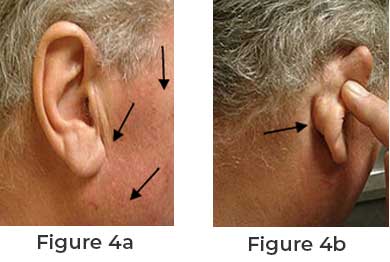
A little, painless bump is near your ear. Could it be serious? Don’t worry—those lumps are usually harmless. Some are difficult to distinguish. Consider salivary gland pleomorphic adenomas and facial nerve tumors. Both begin as painless growths in similar places. Even doctors have trouble distinguishing them! Luckily, you should recognize crucial differences. Understanding those can reassure you or suggest more tests. Read on to determine if that lump near your ear is a benign pleomorphic adenoma or a malignant facial nerve tumor.

Main Differences Facial Nerve Tumours with Pleomorphic Adenomas

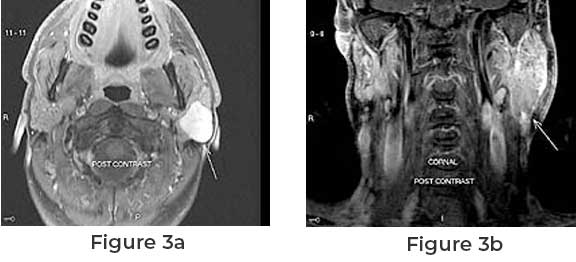
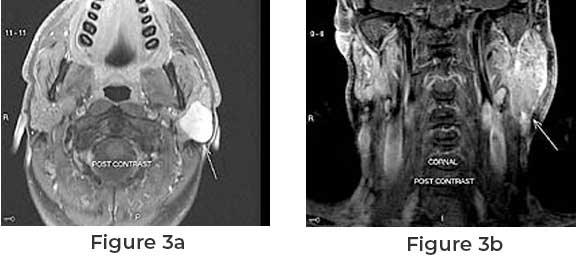
Pleomorphic adenomas, parotid tumor and facial nerve tumors can produce parotid gland enlargement, although there are some crucial differences.

Location

Facial nerve tumors frequently form along the facial nerve, inside the parotid gland, or where it exits the skull. Pleomorphic adenomas form within the parotid gland. The facial nerve does not cause them.

Affected nerves

Due to nerve compression, facial nerve tumors often induce facial muscle weakness or paralysis. The facial nerve and facial muscle function are usually unaffected by pleomorphic adenomas. Large pleomorphic adenomas might compress the facial nerve.

Growth

Facial nerve tumors grow quickly and are usually malignant. Pleomorphic adenomas are benign tumors that grow slowly over the years. Rarely, pleomorphic adenomas can become malignant.

Treatment

Facial nerve tumors are routinely removed surgically, including part of the nerve. Radiotherapy is another option. Surgery to remove pleomorphic adenomas from the parotid gland is usual. Local facial nerves are frequently unaffected.

Design a site like this with WordPress.com
Get started