Understanding Parotidectomy and Facelift Surgery: What You Need To Know

Parotidectomy and facelift surgery are distinct procedures often associated with different medical needs and aesthetic goals, but both can significantly impact a patient’s quality of life.

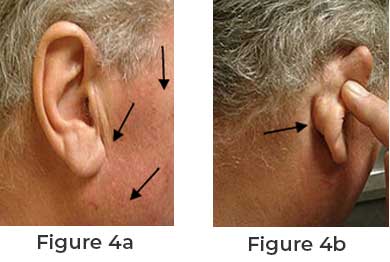
Parotidectomy is a surgical procedure primarily aimed at removing all or part of the parotid gland, one of the major salivary glands located near the jaw and in front of the ears. This operation is often performed to address issues such as tumors, chronic infections, or significant gland enlargement. The procedure may vary in complexity depending on whether the entire gland or just a portion needs to be removed. Recovery time can vary, but patients typically experience swelling and discomfort that subsides over a few weeks. Post-operative care is crucial to manage symptoms and ensure proper healing.

On the other hand, a facelift, or rhytidectomy, is a cosmetic surgery designed to improve visible signs of aging in the face and neck. This procedure involves tightening the skin and underlying tissues to reduce sagging, wrinkles, and other signs of aging. The results can be quite transformative, giving the patient a more youthful and refreshed appearance. Recovery from a facelift involves managing bruising, swelling, and discomfort, and typically takes several weeks.

While both surgeries involve incisions near the face and may impact facial appearance, their purposes and outcomes are quite different. Parotidectomy focuses on health and function, while facelift surgery is primarily cosmetic. If you’re considering either procedure, consulting with a qualified specialist can provide personalized insights and help you make an informed decision based on your specific needs and goals.

Navigating Parotid Tumor Surgery: What to Expect

Parotid tumor surgery is a crucial procedure for managing tumors that develop in the parotid glands, the largest of the salivary glands located near the ears. These tumors can be benign, such as pleomorphic adenomas, or malignant, making surgical intervention an important step in treatment.

Preparing for Surgery

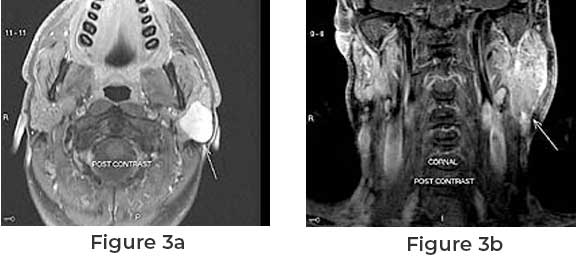
Before the surgery, your medical team will conduct a thorough evaluation, including imaging tests like CT scans or MRIs, and possibly a biopsy, to determine the tumor’s nature and extent. Pre-surgical preparation may involve discussions about anesthesia, potential risks, and post-operative care.

The Procedure

During parotid tumor surgery, the surgeon makes an incision near the ear to access the parotid gland. The goal is to remove the tumor while preserving as much healthy tissue as possible. For benign tumors, complete removal usually results in a favorable outcome with minimal complications. In cases of malignant tumors, additional treatments such as radiation therapy may be necessary.

Recovery and Aftercare

Post-surgery, patients may experience swelling, bruising, and discomfort in the affected area. A drain might be placed to prevent fluid accumulation. Recovery typically involves a few weeks of rest, during which it’s important to follow your surgeon’s advice on wound care and activity restrictions. Pain management and regular follow-up appointments are crucial to monitor healing and detect any signs of recurrence.

Long-Term Outlook

The prognosis for parotid tumor surgery largely depends on the tumor type and how well it was removed. Benign tumors generally have a high success rate with minimal recurrence. Malignant tumors require more vigilant follow-up and possibly additional therapies to ensure effective management.

By understanding the process and adhering to your care team’s recommendations, you can navigate parotid tumor surgery with greater confidence and achieve the best possible outcome.

Parotidectomy and Facelift: What You Need To Know

Undergoing surgery can be daunting, especially when it involves procedures like a parotidectomy and facelift. Both surgeries address different concerns but share common elements in their recovery and impact on appearance.

Parotidectomy Overview

A parotidectomy is a surgical procedure to remove part or all of the parotid gland, typically due to tumors, chronic infections, or other conditions. The surgery involves making an incision near the ear, where the parotid gland is located. Post-surgery, patients might experience swelling, bruising, and a temporary alteration in facial sensation. Recovery generally includes follow-up visits to monitor healing and ensure no complications arise.

Facelift Fundamentals

A facelift, or rhytidectomy, is designed to reduce visible signs of aging by tightening the skin and underlying tissues of the face. The procedure involves incisions around the hairline, which can extend to the temples and behind the ears. The result is a more youthful appearance with reduced sagging and wrinkles. Recovery from a facelift typically involves some swelling, bruising, and downtime of several weeks.

Combined Procedures

In some cases, patients may need both a parotidectomy and a facelift, particularly if a parotid tumor has affected the facial structure or aesthetics. When undergoing both procedures, it’s essential to coordinate with your surgical team to manage the recovery process efficiently and minimize risks.

Recovery and Care

Post-operative care is crucial for both surgeries. For a parotidectomy, focus on managing swelling and following your surgeon’s guidelines to avoid complications. For a facelift, adhere to your surgeon’s instructions on wound care and gradual return to normal activities.

Consulting with experienced surgeons who can tailor your treatment plan to your specific needs will ensure the best outcomes and a smoother recovery process.

Understanding Parotid Tumors: What You Need to Know

Parotid tumors, though relatively rare, are significant due to their location and potential impact on overall health. The parotid glands, located just in front of the ears, are the largest salivary glands responsible for saliva production. Tumors in these glands can be benign or malignant, making diagnosis and treatment crucial.

Types and Symptoms

The majority of parotid tumors are benign, with pleomorphic adenomas being the most common. These benign tumors can cause a noticeable, usually painless lump near the jawline or ear. Malignant tumors, while less common, can be more aggressive and might present with symptoms such as facial weakness, numbness, or rapid growth of the lump.

Diagnosis and Treatment

Diagnosing a parotid tumor typically involves a combination of physical examination, imaging studies like ultrasound or MRI, and sometimes a biopsy. These tests help determine the nature of the tumor and guide treatment decisions.

Surgical removal of the tumor is often the primary treatment, especially if the tumor is large or symptomatic. In cases where the tumor is malignant, additional treatments such as radiation therapy or chemotherapy might be required.

Outlook and Follow-Up

The prognosis for benign parotid tumors is generally positive, with a high success rate for complete removal and minimal recurrence. Malignant tumors, however, require a more intensive approach and follow-up care to monitor for any signs of recurrence or metastasis.

Regular check-ups and early intervention are key in managing parotid tumors effectively. If you notice any unusual lumps or symptoms around your jaw or ear, consult a healthcare professional promptly for evaluation.

It’s All About the Parotid and Facelift

The combination between parotid surgery and facelift procedures is increasingly recognized for its transformative potential. The parotid gland, situated near the ear and responsible for saliva production, can present challenges and opportunities in facelift surgery. It is crucial to know about the parotid and facelift.

What Is Parotid Gland?

The parotid gland plays a pivotal role in maintaining oral health by producing saliva. However, it can also be a site for tumors or other conditions necessitating surgical intervention. Parotid surgery involves delicate procedures to remove tumors, correct deformities, or manage conditions affecting the gland’s function. Due to its proximity to facial nerves and structures, precision is paramount to preserve facial aesthetics and function.

Facelift – Crucial to Enhance Facial Aesthetics

Facelift surgery aims to rejuvenate the face by addressing signs of aging such as sagging skin, deep wrinkles, and loss of facial volume. By tightening underlying tissues and repositioning facial muscles, a facelift can restore a more youthful appearance. It’s a popular choice for individuals seeking long-lasting results to combat the effects of aging and enhance self-confidence.

The Intersection between Parotid Surgery and Facelift

The relationship between parotid surgery and facelift procedures is multifaceted. In cases where parotid surgery is necessary due to tumors or other conditions, the proximity of the parotid gland to facial structures makes it imperative to consider the impact on facial aesthetics. Skilled surgeons understand how to navigate this delicate balance, ensuring optimal outcomes for both the parotid gland’s function and the patient’s appearance.

Benefits of Combined Procedures

Combining parotid surgery with a facelift offers several advantages. Firstly, it allows for comprehensive facial rejuvenation, addressing both structural and aesthetic concerns simultaneously. By coordinating the procedures, surgeons can minimize recovery time and streamline the overall treatment process for patients. Moreover, integrated planning ensures harmonious results, preserving facial symmetry and contour while achieving the desired surgical goals.

Challenges and Considerations

Despite the potential benefits, combined parotid surgery and facelift procedures require meticulous planning and execution. Surgeons must assess each patient’s unique anatomy, medical history, and aesthetic goals to tailor the approach accordingly. Additionally, thorough preoperative evaluation and communication are essential to manage expectations and mitigate risks. By recognizing the interplay between facial anatomy and surgical techniques, surgeons can achieve transformative results that enhance both aesthetics and quality of life for their patients. As advancements continue to refine surgical approaches, the symbiotic relationship between parotid surgery and facelift procedures will undoubtedly shape the future of facial rejuvenation.

Adenoid Cystic and Its Symptoms – Know About the Treatment

Adenoid cystic carcinoma (ACC) is a rare type of cancer that typically affects the salivary glands, but it can also occur in other areas such as the breast, lacrimal glands, and respiratory tract. Although it’s not as well-known as some other cancers, understanding its symptoms and treatment options is crucial for early detection and effective management.

Know About the Symptoms of Adenoid Cystic Carcinoma

The symptoms of ACC can vary depending on the location of the tumor. However, some common signs to look out for include, but not limited to:

Lump or Mass – The most common symptom of ACC is the presence of a painless lump or mass in the affected area. In the case of salivary gland tumors, this may be felt in the jaw, mouth, or neck.

Swelling or Pain – Some individuals may experience swelling or pain in the affected area, especially if the tumor is pressing on nearby structures or nerves.

Difficulty Swallowing or Breathing – Tumors located in the throat or respiratory tract may cause difficulty swallowing or breathing, along with a persistent cough.

Changes in Speech – ACC affecting the salivary glands can lead to changes in speech, such as slurred or muffled speech.

Vision Problems – In cases where ACC occurs in the lacrimal glands, symptoms may include vision problems or eye discomfort.

It’s important to note that these symptoms can also be caused by other conditions, so it’s essential to consult a healthcare professional for proper evaluation and diagnosis.

Treatment Options for Adenoid Cystic Carcinoma

The treatment approach for ACC depends on various factors, including the location and stage of the cancer, as well as the individual’s overall health. Treatment options may include:

Surgery – Surgery is often the primary treatment for ACC. The goal is to remove the tumor while preserving nearby structures and function as much as possible. In some cases, this may involve a partial or complete removal of the affected gland or organ.

Radiation Therapy– Radiation therapy may be used before or after surgery to kill any remaining cancer cells or to shrink the tumor size. It can also be used as a primary treatment for inoperable tumors or when surgery is not an option.

Chemotherapy – Chemotherapy is not typically the first-line treatment for ACC, but it may be used in cases where the cancer has spread to other parts of the body or if other treatments have not been effective.

Drugs that target specific genetic mutations or pathways involved in cancer growth, may be used in some cases of ACC, particularly if the cancer is advanced or has recurred. Participation in clinical trials may also be an option for some individuals, allowing access to novel treatments or therapies under investigation.

What Are the Symptoms of Salivary Gland Tumor and How to Diagnose?

Salivary gland tumors are relatively rare but can cause significant discomfort and health complications if left untreated. Salivary glands are responsible for producing saliva, aiding in digestion and oral health. Tumors can develop within these glands, which can be benign (non-cancerous) or malignant (cancerous). While most salivary gland tumors are benign, some can pose serious health risks if not addressed promptly.

Symptoms of Salivary Gland Tumors

Swelling or lump: One of the most common symptoms is the presence of a painless lump or swelling in the area of the salivary gland, typically in the cheek, jaw, or neck.

Pain or tenderness: Some individuals may experience pain or tenderness in the affected area, especially if the tumor is pressing on nearby nerves or tissues.

Difficulty swallowing or speaking: As the tumor grows, it may interfere with the normal functioning of the salivary glands, leading to difficulties in swallowing or speaking.

Facial paralysis: In rare cases, particularly with malignant tumors, facial paralysis may occur due to nerve damage.

Fluid drainage: Persistent drainage of fluid from the ear or mouth, especially if bloody, can indicate a salivary gland tumor.

Numbness or weakness: Numbness or weakness in the face, especially on one side, can be a sign of nerve involvement by the tumor.

Diagnosing Salivary Gland Tumors

A healthcare provider will first conduct a thorough physical examination, assessing the size and location of any lumps or swelling in the salivary gland area.

Imaging studies such as ultrasound, MRI (magnetic resonance imaging), or CT (computed tomography) scans may be performed to visualize the salivary glands and detect any abnormalities.

A biopsy involves taking a small sample of tissue from the suspicious area and examining it under a microscope to determine whether it is benign or malignant.

In some cases, a fine needle aspiration may be performed to extract cells from the tumor for examination. This minimally invasive procedure can help determine the nature of the tumor.

Blood tests may be conducted to assess overall health and identify any markers associated with salivary gland tumors. Early detection and diagnosis of salivary gland tumors are essential for effective treatment and improved outcomes. If you experience any persistent symptoms such as swelling, pain.

Symptoms of Facial Nerve Cancer and Treatment Procedure

Facial nerve cancer, also known as facial nerve schwannoma or facial nerve neuroma, is a rare condition characterized by the growth of tumors on or around the facial nerve. The facial nerve, also called the seventh cranial nerve, is responsible for controlling the muscles of facial expression and transmitting taste sensations from the front two-thirds of the tongue. When cancer affects this nerve, it can lead to various symptoms that can impact facial function and quality of life. Understanding the symptoms and treatment options for facial nerve cancer is essential for early detection and effective management of the condition.

Symptoms of Facial Nerve Cancer

Facial weakness or paralysis is the first and one of the common symptoms. Patients will notice the development of weakness or paralysis on one side of the face. This can manifest as drooping of the mouth, inability to close the eye fully, and difficulty making facial expressions.

Facial Pain or Numbness

Some individuals with facial nerve cancer may experience pain, tingling, or numbness in the affected area. This can be due to compression of the nerve by the tumor or irritation of nearby structures.

Hearing Loss or Tinnitus

Tumors affecting the facial nerve may also affect the nearby auditory nerve, leading to hearing loss or ringing in the ears (tinnitus). This can occur if the tumor grows large enough to press on the structures of the inner ear.

Changes in Taste

Since the facial nerve also plays a role in transmitting taste sensations from the tongue, individuals with facial nerve cancer may experience alterations in taste perception or loss of taste on the affected side of the tongue.

Facial Swelling or Mass

As the tumor grows, it may cause swelling or a palpable mass in the affected area, typically near the ear or along the course of the facial nerve.

Treatment Options for Facial Nerve Cancer Surgical removal of the tumor is often the primary treatment for facial nerve cancer. The goal of surgery is to completely excise the tumor while preserving as much of the facial nerve functions as possible. In some cases, partial or total removal of the affected facial nerve may be necessary, which can result in permanent facial weakness or paralysis.

Pleomorphic Adenoma – a Common Salivary Gland Tumor

Pleomorphic adenoma is one of the most prevalent types of benign tumors affecting the salivary glands. Despite its benign nature, understanding its symptoms is crucial for early detection and appropriate management. Pleomorphic adenoma, also known as benign mixed tumor, originates from the salivary glands. It typically develops in the parotid gland, but can also occur in the submandibular or minor salivary glands. This tumor is characterized by its mixed cellular composition, containing both epithelial and mesenchymal elements.

What Are the Symptoms of Pleomorphic Adenoma

One of the most common symptoms is the presence of a painless, slow-growing lump in the affected gland. This mass is usually firm and mobile upon palpation.

Facial Weakness or Numbness

In cases where the tumor compresses nearby nerves, such as the facial nerve, individuals may experience facial weakness or numbness.

Difficulty in Chewing or Swallowing

Larger tumors may interfere with normal chewing and swallowing functions, leading to discomfort or difficulty in these activities.

Facial Asymmetry

As the tumor grows, it can cause visible asymmetry in the face, particularly in the area where the affected gland is located.

Although rare, some individuals may experience pain in the affected gland region, especially if the tumor puts pressure on surrounding structures.

Early detection of pleomorphic adenoma is essential for timely intervention and successful treatment. Any persistent symptoms involving the salivary glands should prompt a thorough examination by a healthcare professional. While pleomorphic adenoma is usually benign, proper diagnosis and management are crucial to prevent complications and ensure optimal patient outcomes.

How to Identify Mucoepidermoid Tumor?

Mucoepidermoid tumors are relatively rare but potentially serious neoplasms that can develop in various glands throughout the body. While they most commonly arise in the salivary glands, they can also occur in other locations such as the lungs, thyroid, and skin. Early detection and treatment are crucial for managing these tumors effectively. Here, we discuss the key signs and symptoms to help identify mucoepidermoid tumor promptly.

Symptoms of Mucoepidermoid Tumor

The most noticeable sign of a mucoepidermoid tumor is often a painless lump or swelling in the affected area, such as the jaw, neck, or under the tongue.

Tumors located in the throat or salivary glands can cause difficulty swallowing or speaking, as they may obstruct the passage of food or affect vocal cord function.

In some cases, tumors near the facial nerve can lead to facial weakness or paralysis on one side of the face.

While mucoepidermoid tumors are typically painless, they can cause discomfort if they grow large enough to press on surrounding tissues or nerves.

Diagnostic Methods

A thorough examination by a healthcare professional may reveal the presence of a lump or swelling. Imaging tests such as ultrasound, MRI, or CT scans can provide detailed images of the tumor and its surrounding structures.

A biopsy is the most definitive way to diagnose a mucoepidermoid tumor. During this procedure, a small sample of tissue is removed and examined under a microscope by a pathologist. Identifying mucoepidermoid tumors early is crucial for initiating timely treatment and improving outcomes. If you experience any of the symptoms mentioned above, it is important to consult a healthcare provider for further evaluation and management. Early detection can make a significant difference in prognosis and quality of life for individuals affected by these tumors.

Design a site like this with WordPress.com
Get started