Understanding Mucoepidermoid Tumor Treatment: How Alpha Surgical Group Can Help

Mucoepidermoid tumor, also known as mucoepidermoid carcinoma (MEC), is a rare malignancy that originates in the salivary glands. It accounts for approximately 10–15% of all salivary gland tumors in the United States. The tumor’s behavior can vary from low-grade (less aggressive) to high-grade (more aggressive), influencing treatment decisions and prognosis. 

Alpha Surgical Group’s Expertise in Mucoepidermoid Tumor Management

At Alpha Surgical Group, we specialize in the comprehensive management of mucoepidermoid tumor. Our multidisciplinary team includes experienced surgeons, oncologists, and radiologists dedicated to providing personalized care.

Surgical Intervention

Surgical resection remains the cornerstone of treatment for mucoepidermoid carcinoma. Our skilled surgeons aim to remove the tumor with clear margins while preserving vital structures. In cases where the tumor has spread to lymph nodes, we perform lymph node dissection to ensure comprehensive treatment.

Adjuvant Therapies

For high-grade or advanced-stage mucoepidermoid tumors, adjuvant therapies such as radiation therapy may be recommended. We utilize advanced radiation techniques to target residual cancer cells, enhancing local control and reducing the risk of recurrence. 

Chemotherapy and Targeted Therapies

In certain cases, especially when surgery isn’t feasible, chemotherapy may be considered. Agents like paclitaxel and cisplatin have shown activity against mucoepidermoid carcinoma. Additionally, targeted therapies focusing on specific molecular pathways are being explored to improve treatment outcomes. Our team stays abreast of the latest research to offer cutting-edge treatment options. 

Personalized Care Approach

Understanding that each patient’s situation is unique, we adopt a personalized approach to treatment planning. Our team conducts thorough evaluations, including imaging and biopsy, to determine the tumor’s grade and stage. This information guides our treatment recommendations, ensuring the most effective and least invasive options are considered.

Why Choose Alpha Surgical Group?

• Expertise: Our team has extensive experience in managing mucoepidermoid tumors, ensuring high-quality care.

• Comprehensive Care: We provide a full spectrum of services, from diagnosis to post-treatment follow-up.

• Patient-Centered Approach: We prioritize patient comfort and involvement in the decision-making process.

• Advanced Technology: Utilizing the latest medical technologies, we offer state-of-the-art treatment options.

If you or a loved one is facing a mucoepidermoid tumor, contact Alpha Surgical Group today. Our dedicated team is here to provide expert care and support every step of the way.

Alpha Surgical Group: Leading the Way in Parotidectomy and Facelift Procedures Across the USA

At Alpha Surgical Group, we specialize in advanced surgical solutions, focusing on parotidectomy and facelift procedures. Our commitment to excellence ensures that patients receive top-tier care, combining medical expertise with aesthetic precision.

Understanding Parotidectomy and Facelift Procedures

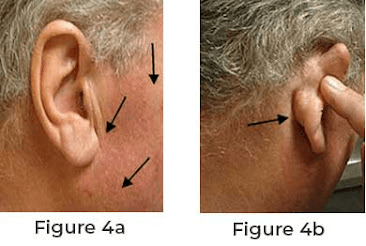
A parotidectomy and facelift is a dual surgical approach addressing both parotid gland tumors and facial rejuvenation. The parotid glands, located near the ears, are common sites for salivary gland tumors. While many of these tumors are benign, some can become cancerous if left untreated. Traditional parotidectomy methods often involve visible neck incisions, which can be a concern for many patients seeking minimal scarring.

In contrast, a facelift incision approach for parotidectomy offers a more aesthetic solution. This technique utilizes a facelift incision, typically extending behind the ear, to access the parotid gland. This method not only provides excellent surgical exposure but also minimizes visible scarring, enhancing the cosmetic outcome for patients.

Benefits of Combining Parotidectomy and Facelift Techniques

Combining parotidectomy and facelift procedures offers several advantages:

• Minimized Scarring: The use of a facelift incision reduces the visibility of surgical scars, leading to improved cosmetic results.

• Enhanced Facial Contour: The integration of facial rejuvenation techniques during parotidectomy can restore facial symmetry and volume.

• Reduced Risk of Complications: Advanced surgical methods, such as the use of temporoparietal fascia flaps, can prevent issues like Frey syndrome, a condition characterized by sweating in the cheek area .

• Comprehensive Care: Addressing both medical and aesthetic concerns in a single surgical session reduces the need for multiple procedures and recovery times.

How Alpha Surgical Group Can Assist You

At Alpha Surgical Group, we are dedicated to providing comprehensive care for patients considering parotid and facelift procedures. Our team of experienced surgeons collaborates to ensure that each patient receives personalized treatment tailored to their specific needs.

We offer:

• Expert Consultation: Our specialists assess your condition and discuss the most suitable surgical options.

• Advanced Surgical Techniques: Utilizing the latest methods, including parotidectomy and facelift combinations, to achieve optimal outcomes.

• Postoperative Care: Providing guidance and support throughout the recovery process to ensure a smooth healing journey.

• Aesthetic Considerations: Focusing on both functional and cosmetic aspects to enhance your overall appearance and confidence.

By choosing Alpha Surgical Group, you are opting for a team that prioritizes your health and aesthetic goals. Our commitment to excellence ensures that you receive the highest standard of care throughout your surgical experience.

For more information or to schedule a consultation, visit our website or contact our office directly. Let Alpha Surgical Group help you achieve the best possible outcome with our specialized parotidectomy and facelift services.

Parotid Tumor Surgery: A Comprehensive Overview

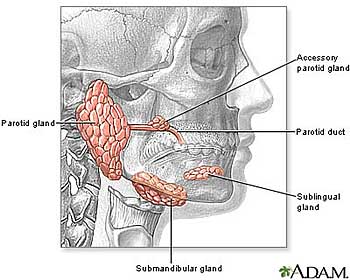
A parotid tumor is a growth that develops in the parotid gland, the largest of the salivary glands located near the ear. While many parotid tumors are benign, some can be malignant, requiring surgical intervention. Understanding the surgery, its procedures, and recovery process can help patients make informed decisions.

What is Parotid Tumor Surgery?

Parotid tumor surgery involves the removal of the tumor, which may include part or all of the parotid gland, depending on the tumor’s size, location, and whether it’s benign or malignant. The goal is to eliminate the tumor while preserving the facial nerve, which controls facial expressions.

When Is Surgery Needed?

• Benign tumors (e.g., pleomorphic adenoma, Warthin’s tumor) often require surgery to prevent growth and complications.

• Malignant tumors (e.g., mucoepidermoid carcinoma, adenoid cystic carcinoma) need more extensive removal, including lymph node evaluation.

• Symptoms like pain, rapid growth, facial weakness, or difficulty swallowing may indicate the need for surgery.

Types of Parotid Tumor Surgery

1. Superficial Parotidectomy:

o Removes the outer portion of the gland.

o Often used for benign tumors.

2. Total Parotidectomy:

o Involves removing the entire gland, usually for malignant tumors.

o May require removal of nearby lymph nodes.

3. Enucleation:

o Involves removing just the tumor without removing significant gland tissue.

o Suitable for small, well-defined benign tumors.

Surgical Procedure

The surgery is performed under general anesthesia. The surgeon makes an incision near the ear, carefully dissects the tissue, and removes the tumor. Protecting the facial nerve is crucial to prevent complications like facial weakness or paralysis.

Risks and Complications

• Facial nerve injury: May cause temporary or permanent facial weakness.

• Frey’s syndrome: Involuntary sweating in the cheek area when eating.

• Infection or hematoma: Swelling or fluid accumulation.

• Scarring: Usually minimal and hidden around the ear.

Recovery and Outlook

• Hospital Stay: Typically 1–2 days, depending on the surgery’s extent.

• Recovery Time: Most people resume normal activities within 1–2 weeks.

• Follow-up: Regular check-ups to monitor for recurrence, especially if the tumor was malignant.

Conclusion

Parotid tumor surgery is a safe and effective treatment for both benign and malignant tumors. Early detection and timely surgical intervention improve outcomes and reduce complications. If you notice swelling, pain, or other symptoms around the ear or jaw, consult a healthcare provider promptly.

Understanding Pleomorphic Adenoma: Causes, Symptoms, Diagnosis, and Treatment

Pleomorphic adenoma is the most common type of benign (non-cancerous) tumor found in the salivary glands, particularly the parotid gland, which is the largest of the salivary glands located near the jaw and in front of the ears. This tumor is typically slow-growing, but it can become quite large over time if left untreated. While pleomorphic adenomas are generally benign, their growth can cause discomfort and, in rare cases, complications. In this blog, we’ll explore what pleomorphic adenoma is, its symptoms, diagnosis, and treatment options.

What Is Pleomorphic Adenoma?

Pleomorphic adenoma, often referred to as a “mixed tumor,” is made up of both epithelial (glandular) and mesenchymal (connective tissue) elements. The term “pleomorphic” refers to the tumor’s varied cell types, giving it a mixed or heterogeneous appearance under a microscope. Although it can occur in any salivary gland, the parotid gland is the most commonly affected, accounting for about 70% of cases.

These tumors are generally slow-growing and usually found in adults, though they can also develop in children. While they are benign, pleomorphic adenomas can sometimes become malignant if not treated appropriately.

Symptoms of Pleomorphic Adenoma

In the early stages, pleomorphic adenomas may not cause any symptoms. As the tumor grows, however, a noticeable, painless lump or swelling in front of the ear or along the jawline may develop. The lump is often firm and may be mobile under the skin. In some cases, if the tumor presses against nerves, especially the facial nerve, it can lead to facial weakness or paralysis, although this is rare.

Despite being benign, pleomorphic adenomas can cause discomfort, especially if they grow large or interfere with nearby structures. Occasionally, they may become infected or ulcerated, leading to pain or tenderness.

Diagnosis

The diagnosis of pleomorphic adenoma typically begins with a physical examination and a review of the patient’s medical history. Imaging tests such as ultrasound, CT scans, or MRI are commonly used to assess the size and location of the tumor. In some cases, a fine needle aspiration (FNA) biopsy may be performed to collect a sample of the tumor for laboratory analysis. This helps determine the nature of the tumor and confirm that it is benign.

Treatment

The primary treatment for pleomorphic adenoma is surgical removal. The surgery involves excising the tumor along with a portion of the surrounding tissue to reduce the risk of recurrence. A procedure called a parotidectomy is often performed if the tumor is located in the parotid gland.

Although pleomorphic adenomas are benign, they have the potential to recur if not completely removed, or if they transform into a malignant tumor over time (a condition known as carcinoma ex pleomorphic adenoma). For this reason, surgical intervention is highly recommended, and regular follow-ups may be necessary to monitor for any recurrence.

Conclusion

Pleomorphic adenoma is a benign but potentially troublesome tumor that primarily affects the salivary glands, especially the parotid gland. Although it generally grows slowly and is not cancerous, it can lead to symptoms such as a visible lump, facial nerve weakness, or discomfort. Early diagnosis and prompt surgical removal are key to ensuring a successful outcome and reducing the risk of recurrence. If you notice any unusual swelling or lumps in the mouth or jaw area, it’s important to consult with a healthcare professional to determine the cause and receive appropriate treatment.

Understanding Pleomorphic Adenoma: A Comprehensive Overview

Pleomorphic adenoma is a type of benign (non-cancerous) tumor commonly found in the salivary glands. It is the most frequent tumor of the parotid gland, which is one of the major salivary glands located near the jaw and in front of the ears. While pleomorphic adenomas can also appear in minor salivary glands, they are most often seen in the parotid region.

The tumor is called pleomorphic because it can exhibit a variety of different tissue structures, combining both epithelial (glandular) and mesenchymal (connective) components. These tumors typically grow slowly and are usually painless, which is why they may go unnoticed for a long time. They tend to be well-defined, round masses that are firm to the touch.

Though benign, pleomorphic adenoma can occasionally cause complications. If left untreated, they may grow large and potentially lead to facial nerve damage, particularly if located in the parotid gland. In rare cases, they can transform into malignant tumors, known as carcinoma ex-pleomorphic adenoma, though this is uncommon.

The treatment for pleomorphic adenoma generally involves surgical removal. The prognosis is usually excellent, with most patients experiencing no recurrence after surgery. However, careful monitoring is essential, as incomplete removal or recurrence can sometimes occur.

In conclusion, pleomorphic adenomas are generally non-threatening but require prompt diagnosis and treatment to prevent complications. Regular check-ups and early intervention remain crucial for maintaining good health outcomes.

Understanding Pleomorphic Adenoma: A Benign Tumor of the Salivary Glands

Pleomorphic adenoma, often referred to as a benign mixed tumor, is the most common type of salivary gland tumor. These tumors typically develop in the parotid gland, though they can also occur in other major or minor salivary glands. Despite being benign, pleomorphic adenomas can grow to a large size if left untreated.

This tumor is called “pleomorphic” because it consists of both epithelial (glandular) and mesenchymal (connective tissue) components. These mixed characteristics give the tumor its distinctive appearance, with a firm, rubbery texture. Pleomorphic adenomas usually grow slowly and are painless, but as they expand, they may cause discomfort or noticeable swelling, especially near the jaw or neck.

Although the exact cause of pleomorphic adenoma remains unclear, factors like genetic mutations and radiation exposure may increase the risk. The tumor is most commonly diagnosed in individuals between the ages of 30 and 60, though it can affect people of all ages.

Treatment typically involves surgical removal of the tumor, which is the most effective approach to prevent recurrence. If left untreated, pleomorphic adenomas can undergo malignant transformation, turning into a more aggressive cancer called carcinoma ex-pleomorphic adenoma.

Regular follow-up care after surgery is essential to monitor for potential recurrence. With proper treatment, the prognosis for individuals with pleomorphic adenoma is generally very good, with most people leading normal lives post-surgery.

Facial Nerve Cancer: Understanding the Risks and Symptoms

Facial nerve cancer, though rare, is a serious condition that affects the facial nerve (also called the seventh cranial nerve), which controls facial movements. This type of cancer can disrupt vital functions, such as smiling, blinking, and even basic facial expressions, leading to significant emotional and physical challenges for those affected.

The most common type of tumor that can cause facial nerve cancer is a parotid gland tumor. These tumors, often benign, can occasionally turn malignant, impacting the facial nerve and leading to symptoms like facial weakness, asymmetry, or complete facial paralysis. Another form of cancer that can affect the facial nerve is schwannoma, which involves the growth of cancerous Schwann cells, the cells that cover nerve fibers.

Symptoms of facial nerve cancer vary depending on the tumor’s location and size but typically include facial drooping, difficulty moving one side of the face, and in some cases, hearing loss or pain near the ear. People may also experience loss of taste, especially on the front part of the tongue, if the facial nerve is affected.

Early diagnosis is crucial. Doctors may use imaging tests like CT scans or MRIs, and a biopsy may be necessary to confirm the presence of cancer.

Treatment options depend on the stage and location of the cancer. Surgery is typically the first line of defense, followed by radiation therapy or chemotherapy for more advanced cases.

Although facial nerve cancer is rare, recognizing early symptoms can significantly improve treatment outcomes. If you notice any unusual changes in facial movement or sensation, consult a healthcare professional promptly.

Understanding Facial Nerve Cancer Symptoms, Diagnosis, and Treatment

Facial nerve cancer, though rare, can have a profound impact on a person’s quality of life. This cancer involves the facial nerve, which is responsible for controlling muscles that allow facial expressions, eye blinking, and lip movement. The facial nerve runs from the brainstem through various regions of the skull, making it vulnerable to tumors or other forms of cancer.

The most common type of facial nerve cancer is a malignancy that develops in the area of the parotid gland, a major salivary gland near the ear. Symptoms of facial nerve cancer often include facial weakness or paralysis on one side of the face, difficulty closing the eye, drooping eyelids, and changes in facial expressions. The tumor may also cause pain or a lump near the ear, making early detection crucial for better treatment outcomes.

Diagnosing facial nerve cancer usually involves imaging tests, such as CT scans or MRIs, alongside a physical examination and biopsy. Early detection increases the chances of successful treatment, which may include surgery, radiation therapy, or a combination of both. In cases where the tumor is localized and operable, surgical removal may restore some function, but nerve damage can still result in lasting facial weakness.

While the road to recovery can be challenging, advancements in medical treatment and surgical techniques provide hope for those diagnosed with this rare condition. If you experience unusual facial symptoms, seeking prompt medical attention is crucial for a proper diagnosis and treatment plan.

Understanding Pleomorphic Adenoma: A Common Benign Tumor

Pleomorphic adenoma is the most common type of benign tumor that arises in the salivary glands. Typically affecting the parotid gland, located near the jaw, this tumor can also develop in other salivary glands such as the submandibular and minor glands. Despite being non-cancerous, pleomorphic adenomas can still cause discomfort and may require medical intervention.

This tumor is known for its unique characteristics, where it can consist of both epithelial and mesenchymal tissue, giving it a “pleomorphic” or varied appearance under the microscope. Pleomorphic adenomas usually grow slowly, and in the early stages, they may not cause noticeable symptoms. Over time, however, a painless lump or swelling may appear near the jaw or neck, which is typically the most common sign.

While the exact cause of pleomorphic adenoma remains unclear, it is believed that certain genetic mutations and radiation exposure could play a role in its development. The tumor is more frequently seen in adults, with a higher incidence in women.

Diagnosis usually involves a combination of physical examination, imaging tests such as ultrasound or MRI, and a biopsy to confirm the tumor’s benign nature. Treatment typically requires surgical removal, which is highly effective in preventing recurrence. However, there is a small risk of recurrence if the tumor is not completely excised.

In most cases, pleomorphic adenoma is not life-threatening. Still, regular monitoring and medical care are essential to ensure successful treatment and minimize the risk of complications.

Understanding Facial Nerve Tumors: Causes Symptoms and Treatment

Facial nerve tumors, although rare, can significantly impact a person’s health and quality of life. These tumors develop on the facial nerve, which controls facial muscles and is responsible for facial expressions, taste, and even some aspects of hearing. The facial nerve runs from the brainstem to the face, making tumors along this path particularly challenging to detect and treat.

There are several types of tumors that can affect the facial nerve, with the most common being acoustic neuromas (vestibular schwannomas). These benign tumors grow on the vestibulocochlear nerve, which is close to the facial nerve, and can exert pressure on it, leading to various symptoms. Other potential tumors include schwannomas, meningiomas, and rarely, malignant growths.

Symptoms of a facial nerve tumor may vary depending on the size and location of the tumor. Early signs often include facial weakness or paralysis, difficulty closing one eye, drooping of the mouth, and loss of taste on one side of the tongue. Some people may also experience hearing loss, tinnitus (ringing in the ears), or dizziness, especially if the tumor affects nearby structures.

Diagnosis typically involves a combination of physical examinations, imaging tests like MRI or CT scans, and sometimes a biopsy. Treatment options range from observation in asymptomatic cases to surgical removal of the tumor. Radiation therapy may also be considered for inoperable tumors or those that grow back.

Early diagnosis and intervention are crucial to preserving facial nerve function and preventing long-term complications.

Design a site like this with WordPress.com
Get started