Parotid Tumor Surgery: Treatment By Alpha Surgical Group

Parotid tumors are growths that develop in the parotid glands, which are the largest salivary glands located near your ears. While most of these tumors are non-cancerous, they can cause discomfort, pain, and difficulty swallowing or speaking. Parotid tumors Surgery is often the most effective way to treat parotid tumors and prevent complications. In this article, we’ll discuss what parotid tumors are, why surgery is necessary, and how Alpha Surgical Group, located at 9735 Wilshire Boulevard, Beverly Hills, CA 90211, USA, can help you with your treatment.

What Are Parotid Tumors?

What causes parotid tumors to form?

Parotid tumors can form due to a variety of factors, including genetic mutations, age, and possibly exposure to certain environmental toxins. Most parotid tumors are benign (non-cancerous), but some may be malignant (cancerous). The benign types include pleomorphic adenomas, Warthin’s tumors, and basal cell adenomas, while malignant types include mucoepidermoid carcinoma and adenoid cystic carcinoma.

Symptoms of Parotid Tumors

How do you know if you have a parotid tumor?

The symptoms of a parotid tumor may vary depending on its size and location. Common signs include:

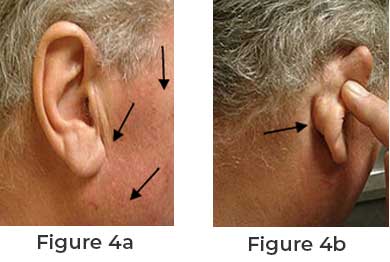
  • A visible lump or swelling near the ear
  • Pain or discomfort around the jaw, ear, or neck
  • Difficulty swallowing or talking
  • Dry mouth or trouble producing saliva
  • Facial nerve weakness or drooping (in rare cases)

If you notice any of these symptoms, it’s crucial to seek medical attention promptly. Early diagnosis and treatment of parotid tumors can help prevent serious complications.

Why is Surgery the Best Treatment for Parotid Tumors?

Is surgery necessary for treating parotid tumors?

In most cases, surgical removal of parotid tumors is the recommended treatment. This is because surgery is the most effective way to:

Relieve symptoms – Removing the tumor often resolves symptoms like pain, difficulty swallowing, and facial swelling.

Prevent complications – Surgery can prevent the tumor from growing larger and potentially causing more severe problems, such as facial nerve damage or cancer spread.

Achieve accurate diagnosis – By removing the tumor, doctors can examine it closely to determine whether it is benign or malignant.

While not all parotid tumors require surgery, if the tumor is growing, causing discomfort, or there is a risk of malignancy, surgery is usually advised.

How is Parotid Tumor Surgery Performed?

What happens during parotid tumor surgery?

Parotid tumor surgery involves the removal of the tumor and, in some cases, part of the parotid gland. The surgery is performed under general anesthesia to ensure the patient is comfortable and pain-free. There are two main approaches to parotid tumor surgery:

Superficial Parotidectomy: This procedure removes only the outer portion of the parotid gland where the tumor is located. It’s the most common type of surgery for benign tumors.

Total Parotidectomy: In rare cases, if the tumor is large or malignant, the entire parotid gland may need to be removed.

During the surgery, the surgeon is careful to avoid damaging the facial nerve, which controls the muscles of the face. This is a crucial part of the procedure, as injury to the facial nerve can lead to facial weakness or drooping.

How long does it take to recover from parotid tumor surgery?

Most patients can go home the same day or after a short hospital stay. Full recovery generally takes a few weeks. After surgery, you may experience swelling, bruising, and mild pain, but these symptoms typically improve over time. Your doctor at Alpha Surgical Group will guide you through the recovery process to ensure optimal healing and minimize the risk of complications.

What Are the Risks of Parotid Tumor Surgery?

Is parotid tumor surgery safe?

As with any surgery, there are some risks associated with parotid tumor surgery. These include:

  • Infection at the incision site
  • Damage to the facial nerve, which could cause temporary or permanent facial weakness
  • Recurrence of the tumor, though this is rare
  • Scarring near the ear or jawline

However, these risks are minimized with a skilled surgeon and proper post-operative care. At Alpha Surgical Group, we prioritize patient safety and use advanced techniques to reduce the risk of complications.

Why Choose Alpha Surgical Group for Parotid Tumor Surgery?

Why should I trust Alpha Surgical Group for my parotid tumor surgery?

At Alpha Surgical Group, we are dedicated to providing high-quality care for our patients. Here’s why we are a trusted choice for parotid tumor surgery:

Expert Surgeons: Our team of experienced surgeons specializes in head and neck surgery, including parotid tumor removal. We use the latest surgical techniques to ensure the best outcomes.

State-of-the-art Facilities: Our clinic at 9735 Wilshire Boulevard, Beverly Hills, CA 90211, USA is equipped with advanced medical technology, allowing us to provide accurate diagnosis and effective treatment.

Personalized Care: We take the time to understand your individual needs and concerns. Our team will work with you to create a customized treatment plan that’s right for you.

Comprehensive Support: From pre-surgery consultations to post-operative care, we support you every step of the way to ensure a smooth recovery.

Conclusion

Parotid tumor surgery is a highly effective treatment for removing tumors from the parotid glands. Whether the tumor is benign or malignant, surgery offers the best chance for symptom relief, long-term health, and quality of life. If you or a loved one is experiencing symptoms of a parotid tumor, don’t hesitate to contact Alpha Surgical Group for expert care and treatment. You can visit us at 9735 Wilshire Boulevard, Beverly Hills, CA 90211, USA, or call for more information and to schedule a consultation.

Salivary Gland Tumors: What You Need to Know

Salivary gland tumors are rare growths that develop in the glands responsible for producing saliva. Although most of these tumors are non-cancerous (benign), some can be malignant (cancerous). At Alpha Surgical Group, we specialize in the diagnosis and treatment of salivary gland tumors. If you or a loved one are dealing with any symptoms related to these tumors, it’s important to understand the nature of the condition and the treatment options available.

What Are Salivary Gland Tumors?

Salivary glands are part of the body’s system that helps with digestion by producing saliva. These glands are located in and around the mouth, under the jaw, in front of the ears, and under the tongue. Salivary gland tumors are growths or lumps that form in these glands. They can vary in size, type, and behavior, ranging from benign cysts to serious cancers.

Most of these tumors develop in the parotid glands (the largest pair of salivary glands located near your ears), but they can also form in the submandibular glands (under the jaw) and sublingual glands (under the tongue).

What Causes Salivary Gland Tumors?

While the exact cause of salivary gland tumors remains unclear, several factors may increase the risk of developing them. These include:

Genetic mutations: Changes in your DNA can lead to abnormal cell growth in the salivary glands.

Age: Salivary gland tumors can occur at any age, but they are more common in people over the age of 50.

Radiation exposure: Previous radiation treatments for other cancers, particularly head and neck cancers, can increase the risk of salivary gland tumors.

How Do I Know If I Have a Salivary Gland Tumor?

Salivary gland tumors can often be detected through symptoms such as:

  • A lump or swelling in the mouth, neck, or jaw area
  • Pain or discomfort in the affected area
  • Difficulty swallowing or opening your mouth
  • A change in the appearance of your face, such as asymmetry or swelling
  • Dry mouth or a reduced ability to taste

If you notice any of these symptoms, it’s important to see a doctor. Alpha Surgical Group offers expert consultation and diagnostic services to help identify whether a tumor is present and if it is benign or malignant.

How Are Salivary Gland Tumors Diagnosed?

Diagnosing a salivary gland tumor typically involves a combination of physical exams, imaging tests, and sometimes a biopsy. Some common diagnostic methods include:

Physical exam: Your doctor will check for any lumps, swelling, or tenderness in the salivary glands.

Imaging tests: CT scans, MRIs, or ultrasounds can provide a detailed view of the tumor’s size and location.

Fine-needle aspiration biopsy: A small sample of tissue from the tumor is taken to determine if the growth is benign or malignant.

At Alpha Surgical Group, we offer cutting-edge diagnostic services to ensure an accurate and timely diagnosis.

Are All Salivary Gland Tumors Cancerous?

No, not all salivary gland tumors are cancerous. In fact, most salivary gland tumors are benign. Benign salivary gland tumors are typically slow-growing and unlikely to spread. However, malignant tumors can grow more aggressively and may spread to other parts of the body. It’s important to differentiate between benign and malignant tumors to determine the appropriate treatment.

What Are the Treatment Options for Salivary Gland Tumors?

Treatment for salivary gland tumors depends on factors like the tumor’s size, location, and whether it is cancerous or not. Here are some common treatment options:

Surgical Removal

The most common treatment for salivary gland tumors, both benign and malignant, is surgery. In many cases, surgeons can remove the entire tumor along with a margin of healthy tissue to ensure all abnormal cells are eliminated. Surgical excision of salivary gland tumors is performed with great care, minimizing the risk of complications.

Radiation Therapy

If the tumor is malignant, radiation therapy may be recommended either before surgery to shrink the tumor or after surgery to kill any remaining cancer cells. Radiation therapy helps reduce the risk of the tumor returning.

Chemotherapy

In rare cases, chemotherapy may be used for aggressive or advanced salivary gland cancers. It’s usually combined with other treatments like surgery and radiation therapy.

At Alpha Surgical Group, we offer personalized treatment plans that combine the most effective approaches for each patient’s unique condition.

What Can I Expect After Treatment for Salivary Gland Tumors?

Recovery after treatment for salivary gland tumors depends on the type of treatment used. After surgery, you may experience some pain and swelling, which can be managed with medications. It’s essential to follow your doctor’s aftercare instructions carefully to promote healing and reduce the risk of complications. Regular follow-up visits will be necessary to monitor for any signs of recurrence, especially if the tumor was malignant.

Why Choose Alpha Surgical Group for Treatment?

At Alpha Surgical Group, we specialize in the diagnosis and treatment of salivary gland tumors. Our expert team of surgeons, oncologists, and medical professionals are dedicated to providing personalized care that prioritizes your health and well-being. Whether you are dealing with a benign tumor or require treatment for a malignant growth, we offer advanced surgical techniques and support every step of the way.

Visit us at 9735 Wilshire Boulevard, Beverly Hills, CA 90211, USA, or contact us for more information about how we can help you or your loved one with salivary gland tumor treatment.

Conclusion

Salivary gland tumors are relatively rare, but they can affect people of all ages. Early diagnosis and treatment are key to ensuring the best possible outcome. At Alpha Surgical Group, we offer comprehensive care tailored to your needs. If you notice any symptoms or are concerned about a possible tumor, reach out to us for a consultation. Our team is here to help guide you through your treatment journey with care and expertise.

Parotid Tumor Surgery: What You Need to Know

Parotid tumors can be scary, but the good news is that they are often treatable with surgery. At Alpha Surgical Group in Beverly Hills, we specialize in safe and effective treatment for parotid gland tumors. If you or a loved one is facing this condition, this guide will help you understand everything about parotid tumor surgery in simple terms.

What Is a Parotid Tumor?

The parotid gland is one of the main salivary glands located just in front of your ear. A parotid tumor is an abnormal growth in this gland. These tumors can be benign (non-cancerous) or malignant (cancerous).

The most common type is pleomorphic adenoma, which is benign. Cancerous types, like mucoepidermoid carcinoma, are less common but may need more urgent treatment.

What Are the Symptoms of a Parotid Tumor?

Many people first notice a lump or swelling near the ear or jaw. Other symptoms may include:

  • Pain or discomfort near the jaw
  • Numbness or weakness in the face
  • Difficulty swallowing
  • A change in facial expression (if nerves are affected)

If you have any of these symptoms, it’s important to get checked by a specialist.

When Should You See a Doctor for a Parotid Tumor?

If you notice a lump or swelling around your jaw, ear, or neck, it’s best to consult a doctor. Early diagnosis can help make treatment easier and more successful.

At Alpha Surgical Group, Beverly Hills, our experienced surgeons can examine your symptoms, perform imaging tests, and guide you through the next steps.

How Is a Parotid Tumor Diagnosed?

Your doctor may use several tests to diagnose a parotid tumor:

  • Ultrasound or CT scan to check the size and location of the tumor
  • MRI scan to see if the tumor is affecting nearby structures
  • Fine needle biopsy to find out if the tumor is benign or malignant

These tests help the surgeon plan the best treatment approach.

What Is Parotid Tumor Surgery?

Parotid tumor surgery involves removing the tumor from the parotid gland. This is usually done through a procedure called parotidectomy.

There are two main types of parotidectomy:

  • Superficial parotidectomy – removes only the outer part of the gland
  • Total parotidectomy – removes the entire gland, often used when the tumor is large or cancerous

Your surgeon will decide which is best based on your specific case.

Is Parotid Tumor Surgery Safe?

Yes, parotid tumor surgery is generally safe, especially when done by an experienced surgical team like ours at Alpha Surgical Group. However, as with any surgery, there are some risks, such as:

  • Temporary or permanent weakness of the facial nerve
  • Numbness in the area
  • Infection or swelling

Our team takes great care to protect the facial nerve during parotidectomy, which controls facial movement.

How Long Is the Recovery After Parotid Tumor Surgery?

Most people can go home the same day or the next day after surgery. Here’s what to expect during recovery:

  • Mild pain and swelling around the surgical site
  • Stitches removed in about 7 days
  • Avoid heavy lifting or strenuous activity for 2–3 weeks

Our doctors will provide post-parotidectomy care instructions to ensure proper healing.


Will I Have a Scar After Parotid Surgery?

The surgeon usually makes an incision in a natural skin fold near the ear, so any scar is minimal and often fades over time. We also offer minimally invasive parotid surgery techniques for selected patients.

What Happens If the Tumor Is Cancerous?

If the tumor is found to be cancerous, your doctor may recommend:

  • Removing more tissue or lymph nodes
  • Radiation therapy after surgery
  • Regular follow-ups and scans

Our surgeons and cancer specialists will work together to create a custom parotid cancer treatment plan that fits your needs.

Why Choose Alpha Surgical Group for Parotid Tumor Surgery?

At Alpha Surgical Group, located at 9735 Wilshire Boulevard, Beverly Hills, CA 90211, USA, we are known for:

  • Expert surgeons with years of experience
  • Advanced surgical techniques
  • Focus on nerve preservation and cosmetic results
  • Personalized care from start to finish

We understand that surgery can be stressful. That’s why we’re here to support you every step of the way.

Book a Consultation Today

If you’re dealing with a parotid tumor or have symptoms that worry you, don’t wait. Contact Alpha Surgical Group in Beverly Hills today to schedule a consultation. Early action can make all the difference.

Call us now or visit our office at 9735 Wilshire Boulevard, Beverly Hills, CA 90211, USA.

What Is A Parotidectomy And Why Is It Done?

A parotidectomy is a surgery to remove part or all of the parotid gland, the largest salivary gland located just in front of your ear. This surgery is often done to remove tumors, which can be benign (non-cancerous) or malignant (cancerous). Other reasons include chronic infections or obstruction of the salivary duct.

At Alpha Surgical Group, we perform minimally invasive parotid gland surgery to reduce scarring and improve recovery times.

What is the connection between a parotidectomy and a facelift?

In many cases, especially in cosmetic-conscious areas like Beverly Hills, a facelift after parotidectomy is done to improve the appearance of the face after surgery. This procedure helps to:

Tighten loose skin after gland removal

Reduce facial asymmetry

Hide surgical scars in natural skin creases

This is often called a parotidectomy with cosmetic facelift or a combined parotidectomy and facelift surgery.

Who needs parotid gland removal with a facelift?

Patients who may benefit from both procedures include:

Those with visible tumors near the ear or jaw

Individuals who want minimal facial scarring after parotid surgery

Patients who are concerned about facial drooping or loss of volume after gland removal

Those undergoing reconstructive facial surgery due to previous trauma or tumor removal

How is a parotidectomy performed?

There are two main types of parotidectomy:

Superficial parotidectomy – removes only the outer part of the gland

Total parotidectomy – removes the entire gland, usually in cases of cancer

Our surgeons use advanced facial nerve monitoring technology to protect the facial nerve during surgery. This helps to prevent complications such as facial weakness or numbness.

How is the facelift done after a parotidectomy?

The facelift is carefully planned to blend with the parotidectomy incision. Surgeons at Alpha Surgical Group hide the scars in natural folds around the ear and jawline.

The facelift after salivary gland surgery involves:

Lifting and tightening facial muscles

Removing or repositioning excess skin

Sometimes using fat grafting or implants to restore volume

This combined approach helps patients look more balanced and youthful after treatment.

What is the recovery like after parotidectomy and facelift?

Most patients go home the same day or the next. Common steps in parotidectomy and facelift recovery include:

Wearing a gentle facial dressing for a few days

Mild swelling and bruising that goes away in 1–2 weeks

Returning to work or light activities in about 10 days

Full recovery and final results in 6–8 weeks

Our team at Alpha Surgical Group provides personalized aftercare instructions to help patients heal smoothly.

Are there risks with this surgery?

As with any surgery, there are risks. Some possible risks of parotid gland surgery and facelift include:

Injury to the facial nerve

Bleeding or infection

Temporary numbness or tightness in the face

Visible scarring, although we take great care to minimize it

However, these risks are rare, especially when performed by experienced surgeons.

Why choose Alpha Surgical Group in Beverly Hills?

At Alpha Surgical Group, we specialize in facial reconstructive surgery, including cosmetic parotidectomy with facelift. Our expert surgeons combine medical skill with artistic precision to deliver results that are not only medically sound but also aesthetically pleasing.

What makes us different:

Board-certified facial plastic and head & neck surgeons

State-of-the-art technology

Individualized treatment plans

Located in the heart of Beverly Hills, known for high-end cosmetic care

How can I book a consultation?

If you’re considering parotidectomy and facelift surgery, or if you’ve been diagnosed with a parotid tumor, don’t wait. Contact Alpha Surgical Group for a full consultation.

📍 Visit us at:
9735 Wilshire Boulevard, Beverly Hills, CA 90211, USA

📞 Call us: (310)-657-2253
🌐 Website: https://www.alphasurg.com/asg-parotidectomy/

A parotidectomy with facelift offers both medical relief and cosmetic improvement, especially when done by expert hands. Whether you’re treating a parotid tumor or looking to avoid facial changes after surgery, Alpha Surgical Group in Beverly Hills is here to guide you through every step.

Understanding Parotid Tumors: Types, Diagnosis, and Treatment Options

The parotid gland is one of the primary salivary glands, responsible for producing saliva that aids in digestion and helps with oral health. It is located in front of the ear, extending to the angle of the jaw, making it easily identifiable and accessible for surgical procedures. While this gland plays an important role in the body, it is also susceptible to abnormal growths, known as parotid tumors. These tumors can range from benign, non-cancerous growths to malignant, cancerous ones.

What Are Parotid Tumors?

Parotid tumors are abnormal growths that form within the parotid gland. They can affect people of all ages and typically cause swelling or lumps in the region near the jaw and ear. These tumors are generally categorized as either benign (non-cancerous) or malignant (cancerous), with benign tumors being far more common. About 85% of parotid tumors are benign, while the remaining 15% are malignant, often requiring more aggressive treatment.

The development of the parotid gland during embryonic growth is intertwined with the development of lymph nodes and nerves. The facial nerve, responsible for controlling the muscles of the face, runs through the parotid gland, which makes surgeries involving these tumors more complex. Therefore, proper diagnosis and surgical expertise are essential in ensuring a successful treatment and preserving facial function.

Types of Parotid Tumors

1. Pleomorphic Adenoma (Benign Mixed Tumor)

The most common type of parotid tumor is the benign pleomorphic adenoma, also known as the benign mixed tumor. This tumor typically presents as a slow-growing, painless lump in the area of the parotid gland. It is characterized by well-defined edges, which distinguish it from malignant tumors that tend to invade surrounding tissues. Although pleomorphic adenomas are benign, they can increase in size over time, making them more difficult to excise. In rare cases (5–15%), pleomorphic adenomas may transform into malignant tumors known as carcinoma ex-pleomorphic adenoma. This highlights the importance of early detection and treatment.

2. Warthin’s Tumor (Papillary Cystadenoma Lymphomatosum)

The second most common benign tumor found in the parotid gland is Warthin’s tumor. This tumor is generally benign and is usually treated through surgical excision. Warthin’s tumors are not known to progress into malignancies, but they have a tendency to appear bilaterally (on both sides of the face). Like pleomorphic adenomas, they often have well-defined borders, making them easier to remove surgically. The risk of recurrence is low once the tumor has been fully excised.

3. Oncocytomas and Monomorphic Adenomas

Other benign tumors, such as oncocytomas and monomorphic adenomas, can also develop in the parotid gland. These tumors typically present with well-defined edges and are successfully treated through surgical removal. Oncocytomas are made up of abnormal epithelial cells, while monomorphic adenomas consist of a uniform type of glandular tissue. Both types of tumors do not generally lead to malignancy, and recurrence is rare.

4. Hemangiomas (Vascular Tumors)

Hemangiomas are benign blood vessel tumors that can develop in the parotid gland, particularly in children. Although hemangiomas are more commonly found in other parts of the body, their occurrence in the parotid gland warrants attention, especially in pediatric patients. In many cases, hemangiomas resolve on their own without the need for surgical intervention. However, if they cause symptoms such as swelling, pain, or discomfort, they may need to be surgically excised.

5. Lymphoepithelial Lesions

Benign lymphoepithelial lesions are another type of tumor that may arise in the parotid gland. These tumors are most commonly seen in individuals who are HIV-positive and are often associated with recurrent cysts. While they are benign, lymphoepithelial lesions may change in appearance over time, and there is a possibility of lymphoma development. Surgical excision is recommended if these lesions become disfiguring or show signs of malignancy.

Malignant Parotid Tumors

Though rare, malignant tumors can also develop in the parotid gland. These tumors tend to be more aggressive and require prompt and more invasive treatment. Common malignant tumors of the parotid gland include:

  • Mucoepidermoid Carcinoma: This is the most common malignant tumor of the parotid gland and typically affects both children and adults. It can range from low to high-grade malignancies, with low-grade forms being relatively treatable and high-grade forms requiring more aggressive treatment.
  • Adenoid Cystic Carcinoma: This cancerous tumor can invade surrounding tissues and spread to other parts of the body, making it one of the more dangerous types of parotid tumor.
  • Acinic Cell Carcinoma: A less common type of parotid cancer, acinic cell carcinoma is generally slow-growing, but can be more difficult to treat if left undiagnosed for too long.

Diagnosis and Treatment

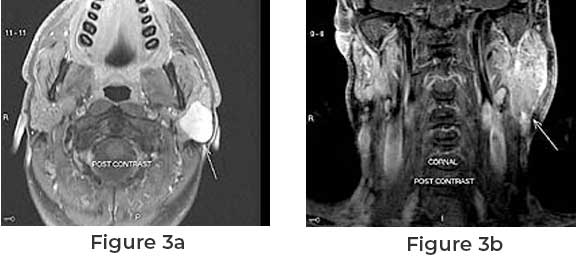
The diagnosis of a parotid tumor typically begins with a physical examination, where the surgeon palpates the swelling or lump in the parotid region. Imaging studies, such as ultrasound, CT scans, or MRIs, may be used to assess the size, location, and characteristics of the tumor. Fine needle aspiration (FNA) biopsy can be used to collect tissue samples and determine whether the tumor is benign or malignant.

Treatment of parotid tumors depends on the type, size, and location of the tumor, as well as whether it is benign or malignant. Surgical removal of the tumor, known as a parotidectomy, is the most common treatment. In cases where the tumor is malignant, additional treatments such as radiation therapy or chemotherapy may be necessary. For benign tumors, a simple excision may suffice, with a low risk of recurrence.

Parotidectomy and Facial Nerve Preservation

One of the challenges in treating parotid tumors is the proximity of the facial nerve to the parotid gland. During a parotidectomy, it is crucial to preserve the facial nerve to maintain facial movements and prevent complications such as facial paralysis. In some cases, a facelift incision is used to approach the tumor, minimizing scarring and providing better access to the gland.

Conclusion

At Alpha Surgical Group, we understand the complexities involved in diagnosing and treating parotid tumors. Whether benign or malignant, these tumors require expert care and precise surgical techniques. Our team of highly skilled surgeons is committed to providing the highest standard of care, ensuring the best possible outcomes for our patients. If you suspect a parotid tumor, early detection and treatment are key to preventing complications and improving your quality of life. Reach out to our team to schedule a consultation and discuss your options.

Facial Nerve Tumor: Advanced Care and Support from Alpha Surgical Group

At Alpha Surgical Group, we specialize in diagnosing and treating rare and complex conditions like facial nerve tumor in the USA. Our comprehensive services include advanced imaging, microsurgical tumor removal, nerve preservation techniques, and reconstructive options tailored to each patient’s needs. With a team of highly skilled neurosurgeons, otolaryngologists, and rehabilitation experts, we are committed to preserving facial function and improving quality of life for individuals affected by this serious condition.

Search trends show that patients and families in the USA are increasingly looking for terms related to facial nerve tumor, such as facial schwannoma treatment, nerve preservation for parotid tumors, and facial reanimation surgery—reflecting a growing demand for specialized, multidisciplinary care.

When it comes to managing a facial nerve tumor, modern centers across the country—including Johns Hopkins, Stanford, and Cleveland Clinic—offer integrated treatment plans that combine diagnostics, surgery, rehabilitation, and follow up care. These services align with what potential patients are searching for: minimally invasive removal, nerve reconstruction, functional rehabilitation, and long term monitoring.

Alpha Surgical Group delivers these exact services—from initial MRI/CT diagnostics and surgical intervention to postoperative rehabilitation and facial reanimation. We understand how deeply concerns about facial movement, expression, and recovery affect patients.

If you’re searching for expert care for facial nerve tumor in the USA, we hope Alpha Surgical Group can assist you. Our commitment is to blend cutting edge techniques with compassionate care—helping you reclaim confidence, expression, and normalcy. Let us guide you through every step, because when it comes to your health, precision and support matter most.

Exploring the Benefits of Parotidectomy and Facelift Procedures

At Alpha Surgical Group, we specialize in advanced surgical services across the USA, particularly the combined procedure of parotidectomy and facelift. Our expert surgeons deliver both effective parotid gland tumor removal and aesthetic facial improvement in a single intervention. This dual approach leverages the facelift incision to access and remove parotid tumors while minimizing visible neck scarring and enhancing facial contour through soft tissue reconstruction, such as SMAS flap techniques.

Patients often search for terms like “benefits of facelift incision for parotid surgery,” “minimize scarring after parotidectomy,” and “facial nerve preservation during parotid removal.” Choosing a parotidectomy and facelift approach addresses these concerns by hiding scars behind the ear and hairline, reducing the risk of contour depressions, and improving cosmetic satisfaction without compromising safety.

Emerging studies show that modified facelift incisions provide superior aesthetic outcomes compared to traditional Blair incisions, with no increase in complication rates like facial palsy or salivary fistula. Latest surgical innovations such as the modified overlapping SMAS flap further enhance facial contour restoration following benign parotid tumor removal, improving patient satisfaction with depressions and scars.

If you’re in search of a refined surgical solution that blends medical precision with cosmetic finesse, Alpha Surgical Group stands ready to help. We offer expert consultation, advanced surgical techniques, and personalized postoperative support. Let our team guide you toward a seamless recovery and restored facial harmony—combining the best of parotidectomy and facelift expertise for patients across the USA.

Parotidectomy and Facelift: Harmonizing Function and Aesthetics in Facial Surgery

At Alpha Surgical Group, we specialize in advanced facial surgery, offering cutting edge procedures that combine medical precision with cosmetic excellence. Whether you’re seeking a parotidectomy and facelift—such as facelift approach for parotidectomy, modified facelift incision, or superficial parotidectomy via facelift incision—our skilled surgeons deliver outstanding results. We understand how important both tumor removal and aesthetic outcomes are, particularly when you’re in the USA and seeking world class care.

A growing number of patients search for parotidectomy and facelift because they want a solution that treats underlying medical needs—like benign or malignant parotid tumors—while minimizing visible scarring. Research shows that utilizing a facelift style incision for superficial parotidectomy achieves excellent cosmetic and functional results without increasing complication rates.

As demand rises for procedures that merge reconstructive surgery with cosmetic finesse—especially those seeking facelift after parotidectomy or nerve-preserving techniques—patients expect both safety and subtle appearance enhancement.

How Alpha Surgical Group Can Help You

At Alpha Surgical Group, we offer personalized parotidectomy and facelift approaches that prioritize both health and confidence. Our board-certified facial surgeons utilize a modified facelift incision technique, ensuring scars are discreet and facial nerve function is preserved. We also employ advanced nerve-monitoring during surgery, reducing the risk of complications like facial nerve weakness—which can occur in up to 50% of cases initially, though permanent weakness is rare.

Whether you’re concerned about tumor management or rejuvenating your appearance post surgery, our team provides seamless continuity of care—from pre screening and surgery to recovery and aesthetic follow up. Let’s restore your health and your beauty, confidently and compassionately.

Pleomorphic Adenoma Treatment & Care by Alpha Surgical Group USA

At Alpha Surgical Group, we specialize in diagnosing and treating pleomorphic adenoma, a benign mixed tumor of the salivary glands commonly found in the USA. We offer premium surgical services including fine needle aspiration (FNA), imaging (ultrasound, CT, MRI), and precisely executed parotidectomy or submandibular gland excision. Patients benefit from advanced facial nerve monitoring and minimally invasive techniques tailored for pleomorphic adenoma management.

Pleomorphic adenoma—also described as a benign salivary gland tumor or mixed tumor—is the most common non cancerous salivary gland growth in the United States. Most arise in the parotid gland (≈85 %), followed by submandibular and minor glands. These tumors typically present as slow growing, painless, firm, mobile lumps without facial pain.

Diagnosis involves physical exam, imaging, and biopsy. FNA or core needle biopsy usually confirms whether the tumor is benign. Treatment for pleomorphic adenoma in the USA favors complete surgical excision—such as superficial or total parotidectomy—with facial nerve preservation to minimize complications like facial weakness or Frey’s syndrome. Enucleation is now avoided due to high recurrence risk.

Over time, untreated tumors carry a small risk of malignant transformation (about 1.5 % in first five years, rising up to 9.5 % after 15 years). Recurrence rates are low (<5 %) after complete excision, but incomplete removal can lead to regrowth.

How Alpha Surgical Group Can Help

Alpha Surgical Group USA offers expert, compassionate care in managing pleomorphic adenoma and related salivary gland tumors. Our experienced ENT and head neck surgical teams ensure:

• Accurate diagnosis with FNA, CT, MRI

• Tailored surgical plans: superficial or total parotidectomy, gland excision

• Facial nerve preservation via neuromonitoring

• Post operative follow up to monitor for recurrence

We serve patients across the USA seeking treatment for pleomorphic adenoma with high success rates and minimized risks. Contact Alpha Surgical Group today to schedule a consultation and receive personalized care for salivary gland tumors.

Parotid Tumor Surgery Solutions by Alpha Surgical Group

At Alpha Surgical Group, we offer comprehensive parotid tumor surgery services designed for patients across the USA. Our team specializes in removing benign and malignant parotid gland tumors with precision and care. We perform superficial parotidectomy, total parotidectomy, and advanced techniques like facelift incision parotid surgery to hide scars and protect the facial nerve.

Our state of the art service includes intraoperative nerve monitoring to ensure facial nerve preservation—critical for maintaining facial expressions like smiling or blinking. We also employ reconstructive options such as dermal fat grafts or SMAS flaps to correct contour defects after tumor removal.

Patients searching for parotid gland tumor surgery, facelift incision parotidectomy, or facial nerve preservation parotidectomy will find our services tailored to their needs. We also manage side effects like Frey’s syndrome, salivary fistulas, and nerve weakness with refined techniques and reconstructive protocols.

Why Choose Alpha Surgical Group for Parotid Tumor Surgery?

1. Facelift Style Incision

Using a discreet incision behind the ear and along the hairline, our approach avoids long neck scars and aligns with modern cosmetic expectations.

2. Facial Nerve Preservation

With advanced nerve monitoring and surgical expertise, we keep temporary or permanent facial paralysis to less than 5%, consistent with best practice studies.

3. Customized Tumor Removal

Our surgeons offer everything from selective superficial resection for benign tumors to total gland removal, following precise pre op evaluation via MRI and fine needle aspiration.

4. Reconstructive and Post Op Care

After tumor excision, we reconstruct areas prone to depressions with fat grafts or SMAS flaps, and provide scar minimizing protocols, drainage management, and Frey’s syndrome prevention

How Alpha Surgical Group Supports Patients

• Multidisciplinary Planning: Each patient works with ENT and plastic surgery specialists to customize the safest, most aesthetic parotid tumor surgery plan.

• Transparent Communication: We explain potential side effects such as numbness, temporary facial weakness, or taste changes, based on typical outcomes (up to 50% temporary weakness, <2% permanent in skilled hands)

• Technology Driven Safety: Our nerve integrity monitoring equipment and intraoperative techniques reduce risk and improve outcomes

• Post Surgery Rehabilitation: We guide patients through recovery—covering scar care, nerve monitoring follow up, and reconstructive refinement to address any facial asymmetry.

Begin Your Journey Towards Confidence and Health

If you’re in the USA and searching for top tier parotid tumor surgery, trust Alpha Surgical Group to offer expertise, personalized care, and cosmetic attention. Contact us today for a comprehensive consultation—delivering tumor removal, nerve protection, and aesthetic restoration under one roof.

Design a site like this with WordPress.com
Get started