Salivary Cancer Symptoms and Treatment

Salivary gland cancer is a rare disease – in which malignant cancer cells form in the tissues of the salivary glands – making saliva and release it into the mouth. Saliva has enzymes – helping digest food and antibodies to help protect against infections of the mouth and throat.

There are different symptoms that include a constant abnormal or foul taste in your mouth, inability in fully open your mouth, discomfort or pain at the time of opening your mouth or eating, puss in your mouth, dry mouth, pain in your mouth and face pain. Not to mention common symptoms of blocked salivary gland that include a sore or painful lump under the tongue, pain or swelling below the jaw of ears, pain that increase when eating.

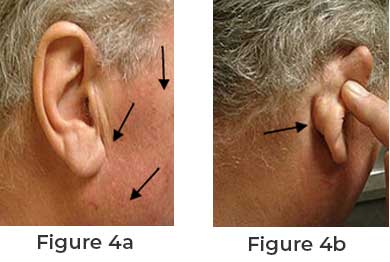
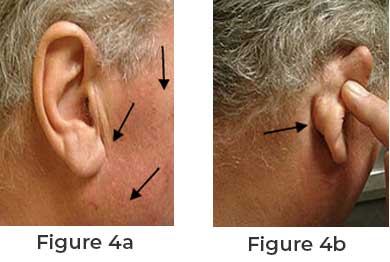
Some common signs and symptoms of salivary gland tumor may include a lump or swelling on or near your jaw or in your neck or mouth, numbness in part of your face, muscle weakness on one side of your face, persistent pain in the area of a salivary gland, difficulty swallowing and trouble opening your mouth widely and properly.

In case of facing any of the symptoms, it is important to consult with doctors and get the right treatment. Salivary cancer is curable and can be treated in convenient way. You have to make a contact as per your requirement and get the right treatment.

The Facial Paralysis- It’s Causes and Side Effects

Facial Paralysis is commonly a side effect caused by the birthing process and is the most difficult or caused by medical malpractices. The symptom of facial Paralysis is caused immediately and is the noticeable first symptom. And the cause is cured within thirty days without any consultation or medical intervention. Few patients get recovered within months, but still, few can’t be cured ever.

Causes

When the facial nerves are compressed, the condition of facial Paralysis happens, or the Parotid removal also arises. While the baby is being born, or while he or she is still inside of the womb, usually facial Paralysis can happen. Due to pressure applied to the baby’s face during birth or the labor process, facial Paralysis can occur, and it is right in many cases.

Side Effects

With the increase in the possibility of suffering, facial Paralysis’s condition tends tocut facial nerve. There exist some certain risk factors as well. It is necessary to be aware of all risk factors to decrease their possibility, and some conditions like facial Paralysis can be a side effect of a birthing trauma.

The possibility of facial paralysis increases while you fail to identify the exact risk and other types of birth injuries. Common risk factors include drugs used to induce labor, prolonged labor or pregnancy, epidural anesthesia. Sometimes it is indispensable to consult the surgeon in case the symptoms look like increasing day by day.

Thus, it is essential to be aware of all the risks and treatments for facial paralysis.

Ways to fight with the symptoms of facial Nerve Disorders

Either side of our face that lets us show our different expressions, from smiling to crying to winking, is controlled by the facial nerves. Electrical impulses to a particular facial muscle carried by every single fiber. These impulses are responsible for the cry, laugh, smile, frown, wink, and other expressions. The tear glands, saliva glands, and the stirrup bone’s muscle in the middle ear carry the nerve impulses. As this nerve performs so many activities, thus there may be many symptoms in case of damage. 

Therefore, the paralysis of the face, twitching, or dryness in the mouth or even the eye, a disorder in the taste is caused by nerve disorders.

Ways to fight against the symptoms of facial nerve problems

  • To ease the disease’s symptoms, you should drink warm liquids such as cinnamon tea and ginger. Eating garlic with Olive oil by mixing the smashed garlic with the olive oil and to consume it.
  • Always keep your face protected against sun exposure and milk. So, cover your face while going out.
  • This disorder can be overcome and cured by Anti-inflammatory drugs. For these disorders, steroids are usually recommended in the affecting areas. These can be mixed with anti-viral drugs.
  • To protect the eyes from this infection, one can use lubricating eye drops and ointments.

If the facial nerve palsy is due to a tumor, Parotidectomy and facelift surgery are the usual recommendation. Therefore, in such a case, you need constant support from family and friends. This is a bonus and can help the patient recover quickly from cut facial nerve problems. Counseling to both patients and their family members is also recommended for better treatment and aids in understanding the disease.

Adenoid cystic-Symptoms and Treatments

One of the uncommon types of tumors that shockingly numerous individuals today have the adversity of encountering is the Adenoid cystic carcinoma, which is additionally alluded to as ACC. The regular carcinomas, including a cellular breakdown in the lungs, bosom disease, prostate malignancy, and colon malignant growth, that the vast majority of us are accustomed to catching wind of it. Individuals must know and are taught about the more surprising type of malignancies. However, the typical side effects of the infection are the disease. 

ADCC-Adenoid cystic carcinoma Symptoms

Indications associated with ADCC incorporate any of the accompanying referenced:

  • Lesions, which are severe and uncomplicated side effects. 
  • Nerve cells problems 
  • Abnormalities in tangible organs 
  • Paralysis 
  • Muscle torment 
  • Voice Change 

These are may not be a sign of malignancy, preferably only a portion of the manifestations related to adenoid cystic carcinoma. It is recommendable to check with your doctor for better proposals and medicines. 

ADCC Treatment

ADCC treatment is reliant on specific components, and they exist in various structures. The patient’s general well-being, the malignancy stage, and possible results are the components engaged with this treatment. The medical procedure is the therapy of decision, which includes the evacuation of the edge, otherwise called the expulsion of the tumor itself and its encompassing tissue.

Notwithstanding neutron and proton radiation treatment, outside bar radiation treatment is a significant type of Adenoid cystic carcinoma therapy. Its development can have dangerous implications. Individuals must keep on learning as much about this uncommon infection, particularly on the off chance that they believe they are encountering any of the above manifestations.

Parotid Removal – the Most Vital Procedure of Removing Largest Salivary Gland

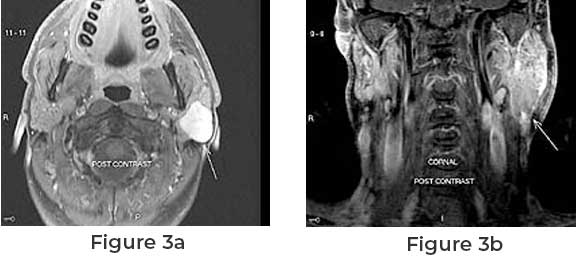
A parotidectomy is the most vital surgical excision or parotid removal – done for the removal of this largest salivary gland. The procedure is most typically performed due to neoplasms or tumors that are growths of rapidly and abnormally dividing cells. Neoplasms can be non-cancerous and cancerous.

As far as parotid tumors are concerned, 85% are non-cancerous; while 15% are malignant. Non-cancerous and malignant tumors occur in different types. The most common tumor overall is the benign (non cancerous) mixed tumor or Pleomorphic adenoma. Mixed tumors have well-defined edges and don’t have significant portions invading normal tissues lie cancers. Parotid removal is one of the first steps taken into consideration.

For this, you need to consult with experienced surgeons or doctors, who have expertise and knowledge enough in parotid removal procedure. Go online and it is counted as one of the convenient ways to help you in getting the right solutions in real time manner. You have to search for the right one and stay in touch with professional doctors, who have proven track record of recommending the best surgery and treatment.

Parotid removal is the most vital surgical procedure done successfully by Alpha Surgical Group – a one stop reliable source providing you with the right solutions for all types of tumors that are diagnosed and successfully treated in real time manner.

Adenoid Cystic and Its Treatment by Doctors at Alpha Surgical Group

Adenoids, the patch of tissues, often sit at the very back of the nasal passage that helps keeping the body healthy by trapping harmful bacteria and viruses.

Adenoid cystic carcinoma or ACC is a type of cancer begins in glandular tissues – most commonly arises in the major and minor salivary gland of the head and neck. It can also occur in the breast, uterus and other locations in the body. Not to mention the usual treatments for this health complication that is followed by the radiation treatments. When you have the surgery, your doctor will remove not only the tumor, but also some of the healthy tissues around it. The exact cause of Adenoid cystic carcinoma is unknown. However, health and research institutes from different nations have searched that genetic changes or mutations are the underlying basis of cellular malignant transformation in different cancers include Adenoid Cystic carcinoma. Consulting with experienced surgeons is important, who diagnose the problem and successfully solve the query.

Stay in touch with professional surgeons is one of the vital decisions to make. If you are looking for treatment for adenoid cystic, it is better to consult with experienced surgeons and doctors at Alpha Surgical Group – a one stop reliable source, bringing to you some of the best and precise solutions in real time manner for surgeries.

Make a contact either by giving a call or sending a mail and leave rest of the work on experts working here.

Signs and Symptoms of Salivary Cancer or Salivary Gland Cancer

Parotid is the main and largest salivary gland; while the major salivary glands are on each side of the face and blows the tongue. Not to mention several important nerves and other structures that run through or near salivary glands that can be affected by salivary tumors or salivary cancer.

Some of the possible signs and symptoms of salivary gland cancer include, but not limited to a lump or swelling in your mouth, check, jaw or neck. Pain in your mouth, cheek, jaw, ear or neck that doesn’t go away or a different between the size and shape of the left and right sides of your face and neck can be other symptoms of the salivary cancer.

 Some other common symptoms include numbness in part of your face, weakness of the muscle on one side of your face, trouble opening your mouth widely, fluid draining from an ear, trouble swallowing, etc are some of the common symptoms that may be the cause of salivary gland.

There are different signs and symptoms that can also be caused by the non-cancerous salivary gland tumors or by other conditions. If you have any of the aforementioned problems, it is important to see your doctor right away so that they can diagnose the problem and recommend you the right treatment or surgery.

All You Need To Know About Parotid Cancer and Its Types

Parotid cancer is a cancer which attacks the tissues of the glands of the mouth. Mostly this cancer starts from the parotid gland by effecting tissues of it. Parotid cancer is further classified into 3 grades that are low, medium, and high. Some most dangerous salivary gland cancers are Adenocarcinomas, Adenoid cystic carcinoma, Malignant mixed tumors, etc. More about these tumors of parotid cancer are explained below.

Adenocarcinomas: – Adenocarcinomas describe cancers that develop in the cells of the gland. They can be both low grade and high grade, but most of these cancers are of low grade, and the patient can recover soon. Some of the salivary gland adenocarcinomas are Polymorphous low-grade adenocarcinoma (PLGA), Acinic cell carcinoma, Mucoepidermoid carcinoma

Adenoid cystic carcinoma: – The speed of growth of adenoid cystic carcinoma tumor in the human body is quite slow and it mostly falls in the category of low grade. But one should not think that the parotid removal of such cancer is uncomplicated as these are of repetitive in nature and can re-enter into your glands even after the treatment. It occurs mostly in the salivary glands of the neck and head.

Malignant mixed tumors: – The malignant mixed tumor is also referred to as “carcinoma in pleomorphic adenoma”, which exists in an already prevailing pleomorphic adenoma. 

Mucoepidermoid carcinoma: – Mucoepidermoid carcinoma is a popular type of tumor in glands and unlike adenoid cystic, much count of these falls under low-grade parotid cancer. They rarely occur in minor salivary glands or submandibular glands in the mouth. 

All About Salivary Gland Cancer And How Does It Occur?

Salivary gland cancer is cancer that takes its place in the glands of the mouth. There are 3 major glands in the mouth named parotid glands, sublingual glands, and submandibular glands, and others are tiny and less productive. In other words, it is also known as parotid cancer.

So the tumor in the glands begins when tumors enter the tissues of the salivary gland and start changing in its DNA. When it starts commanding the Tissue’s DNA, then the growth of the tumor begins and it starts causing issues in the neck and face. In simple language, we can say that the number of abnormal cells starts growing and the number of normal cells starts compacting.

It is also worth mentioning that it is not definite that the tumor will develop cancer in the body, but there are chances always. If cancer prevails over that area, it starts decreasing the tissues nearby, and cancer can also extend its limit from the salivary gland to other parts of the body. Types of the tumor are numeric and some of these cause cancer, whereas some don’t.

The person feels troubles in the face, neck, throat, and mouth such as swelling, pain, and irritation, or numbness. Sometimes some area of the face is numb or lump. It won’t right to say if you have these symptoms, you are definitely suffering from parotid cancer. But regular alike trouble can be a matter worth notifying. Visiting a doctor timely in such a case is a wise idea.

The Parotid/Salivary Cancer, Its Symptoms and Types

The increase of abnormal cells in the salivary glands leads to salivary gland cancer. Even this kind of cancer is quite abnormal and even reasons for this cancer are not specified. The salivary glands are responsible for creating saliva and it has three glands that play important role in this process and that are sublingual, submandibular, and jaw parotid, Polymorphous adenocarcinoma, etc.

Make sure to visit a doctor as soon as you feel the following symptoms:-

1. Swelling or lump near on or around your salivary gland.

2. Lumps somewhere on the face or neck.

3. Feeling numb over the face or some part of the face.

4. Inability to move parts of the face or area of the face.

Visiting the medical treatment clinic, at right time, can defend you from parotid cancer.

Types of salivary gland tumors are as follows:-

The salivary gland tumor can be classified into two major categories i.e. benign salivary gland tumor and malignant gland tumor. The major difference between both can be explained as the benign is noncancerous and the malignant is cancerous. The noncancerous tumors are oncocytoma, warthin tumor, canalicular adenoma, and basal cell adenoma, etc.

The cancerous salivary gland tumors are adenocarcinoma, acinic cell carcinoma, clear cell, and Adenoid cystic carcinoma, salivary duct carcinoma, squamous cell carcinoma, etc. These mix with the DNA of tissues of the salivary glands and starts controlling and commanding the abnormal cells. Also, they are responsible for the clearance of normal cells in the salivary glands

Design a site like this with WordPress.com
Get started